

Why balanced nitrogen and sulphur matters for final applications
Balanced nitrogen and sulphur is not just an early season concern. As crops move into the later stages of the growing season, sulphur availability continues to influence how efficiently nitrogen is used. If sulphur is short while nitrogen is still being applied, the crop cannot make full use of what it receives.
Balanced nitrogen and sulphur supports both yield and protein formation. Where final nitrogen passes are still planned, or where crops are being assessed for a targeted protein application, hidden sulphur shortages can quietly cap performance even when nitrogen rates look correct. That risk is worth understanding before committing to any remaining spend.
How sulphur supports nitrogen use
Sulphur plays a direct role in how plants process and use nitrogen. Balanced nitrogen and sulphur allows the plant to build amino acids, proteins, and other compounds efficiently. When sulphur is lacking, nitrogen uptake and utilisation are restricted, and more of the applied nitrogen risks being lost or going unused.
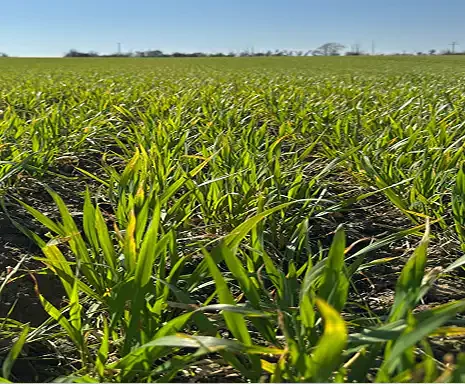
In cereals and oilseed rape, sulphur deficiency can show as pale, yellowed leaves and reduced vigour. However, symptoms are not always obvious. Balanced nitrogen and sulphur is therefore about prevention rather than waiting for visible deficiency. Keeping sulphur supply aligned with nitrogen in the final stages of the programme helps more of what has been applied translate into yield and quality.
Sulphur availability in a dry season
In a typical season, sulphate moves through the soil profile with rainfall and becomes available to roots in the upper horizon. In a dry season, that movement is restricted. Crops may be sitting above sulphur reserves they cannot fully access, particularly on lighter soils where leaching earlier in the year has already moved sulphate deeper.
This makes balanced nitrogen and sulphur particularly relevant this season. Where soils have been dry through key growth stages, sulphur availability may have been lower than expected, even where applications were made at the right time. Crop response that has fallen short of expectations could, in some cases, reflect this hidden limitation rather than nitrogen supply alone.
What sulphur shortage looks like in the crop
Sulphur deficiency can resemble nitrogen deficiency at first glance, with paler leaves and reduced vigour. The distinction is that sulphur deficiency typically appears first in younger leaves, while nitrogen deficiency tends to show in older growth. Where both nutrients have been limiting, the picture can be harder to read.
In practice, many sulphur problems produce no dramatic symptoms. Crops may look acceptable but fail to deliver the yield or protein that the nitrogen programme should have supported. Where balanced nitrogen and sulphur has not been maintained, these hidden shortages help explain why some fields underperform relative to expectation and neighbouring blocks.
The role of UAN plus Sulphur grades
UAN plus Sulphur grades deliver nitrogen and sulphur together in the same application. Each pass supplies both nutrients in a consistent ratio, so sulphur availability keeps pace with nitrogen without requiring a separate product or additional field entry. That simplicity is useful at any point in the season, and particularly when application opportunities are limited.
Using UAN plus Sulphur grades in final passes maintains balanced nitrogen and sulphur nutrition at the point where it matters most for grain development. Rates can be adjusted field by field through the sprayer, but the N and S balance is maintained in every pass. Crops receive both nutrients together rather than nitrogen without the sulphur needed to use it effectively.
Balanced nutrition and its effect on yield
Balanced nitrogen and sulphur supports biomass production and retention through to harvest. When both nutrients are available, crops maintain greener, more active canopies for longer. This supports photosynthesis, grain number, and grain fill, all of which feed into final yield.
Where sulphur has been short, crops can still grow, but they do not use nitrogen as efficiently. Tillers may be weaker, leaves may senesce earlier, and overall biomass can be lower at harvest than the nitrogen programme alone would suggest. In a season where every application has needed to work as hard as possible, that inefficiency has a real cost.
Balanced nutrition and grain protein
For milling wheat and other quality-focused crops, balanced nitrogen and sulphur matters directly for grain protein. Sulphur is involved in forming certain amino acids that influence both protein level and baking quality. Applying nitrogen without adequate sulphur can result in lower protein than the rate applied would normally be expected to produce.
Where a final nitrogen pass for protein is still planned or under consideration, the crop’s sulphur status is part of that decision. A crop that has received balanced nutrition through the season is better placed to convert final nitrogen into grain protein. Where sulphur has been limiting, the response to late nitrogen may disappoint regardless of the rate applied.
Using liquid fertiliser to keep N and S in balance
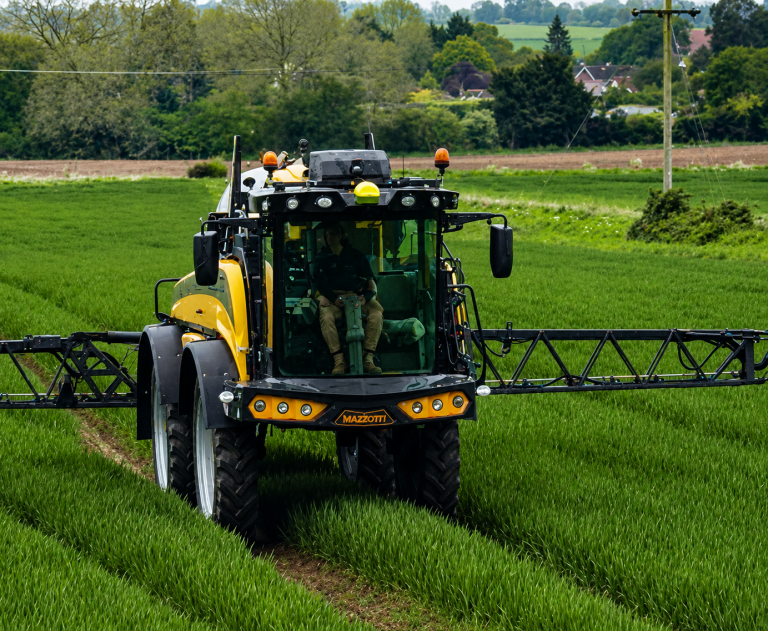
Liquid fertiliser makes balanced nitrogen and sulphur straightforward to deliver. UAN plus Sulphur grades carry both nutrients in every droplet across the full boom width, supporting consistent crop response across the field. There is no need to manage separate products or rely on incorporation of granular sulphur that may not have moved in dry conditions.
Where rates need to vary between fields, the same UAN plus Sulphur grade can be applied at different doses through the sprayer. Balanced nitrogen and sulphur is maintained at whatever rate the crop warrants. That consistency supports more predictable outcomes in the final weeks before harvest, when there is little opportunity to correct nutritional shortfalls.
Field assessment and sulphur decisions
Reviewing crop colour, canopy uniformity, and field history helps judge where sulphur may have been limiting. Fields on lighter soils, or those with no recent sulphur history, are worth particular attention. Where crops look uneven or pale despite adequate nitrogen, sulphur availability is worth considering as part of the explanation.
Soil and tissue tests can provide additional clarity, though timing and interpretation matter. Combined with visual assessment and knowledge of the field, they help confirm where balanced nitrogen and sulphur is in place and where any remaining applications can still make a difference.
Balanced nitrogen and sulphur as part of an efficient programme
Nitrogen applied into a sulphur-deficient crop risks being under-used. That has both a financial cost and an environmental implication. Keeping N and S aligned is a practical way to get more from the nitrogen that has already been applied and from any final passes still to come.
Balanced nitrogen and sulphur then becomes a consistent part of how liquid nutrition is delivered, rather than a separate consideration. For growers, that means stronger confidence in how the programme has performed, more consistent yields, and a better base for grain quality in crops where protein still matters.
Are you considering the move to liquid fertiliser? Get in contact with us today to get started.