

Getting the most from final nitrogen applications
For most arable growers, the nitrogen programme is nearly complete or already finished. The focus now is on understanding how well those applications have performed and where, if any scope remains, final passes can still add value. Early plans were built on expected conditions, but a dry spring has changed the picture on many farms.
Where crops have responded well, the nitrogen applied through the season will have supported the yield and quality the programme was designed for. Where dry conditions have limited uptake or restricted application opportunities, growers are taking a more measured view of what final nitrogen can realistically achieve, and concentrating any remaining spend on the fields most likely to respond.
Reading the crop before making final decisions
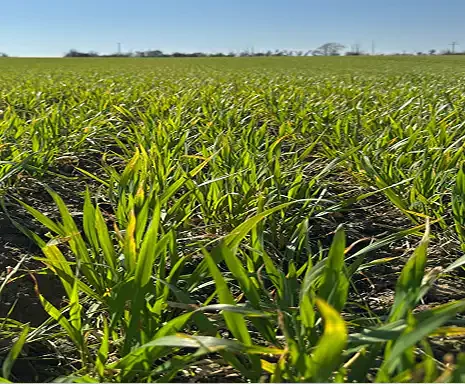
Field walking gives a clear picture of how the season’s nitrogen has performed. Canopy thickness, crop colour, tiller survival, and uniformity across soil types all reflect how well nitrogen has been delivered and taken up. That information shapes whether any final applications are justified and where they are most likely to pay.
Tools such as NDVI imagery, yield maps, and field history add further context. On fields carrying strong biomass and good canopy development, a final targeted pass may still be worth considering, particularly for milling wheat protein. On thinner or more stressed crops, the honest assessment is often that the nitrogen already applied is doing the work.
Matching final nitrogen to realistic crop potential
Not all fields warrant the same approach at this stage. Crops on heavier, moisture-retentive soils may have taken up nitrogen more efficiently through the season and are better placed to respond to any final applications. Crops on lighter ground, where dry conditions have affected both uptake and sulphur availability, may have responded less than planned.
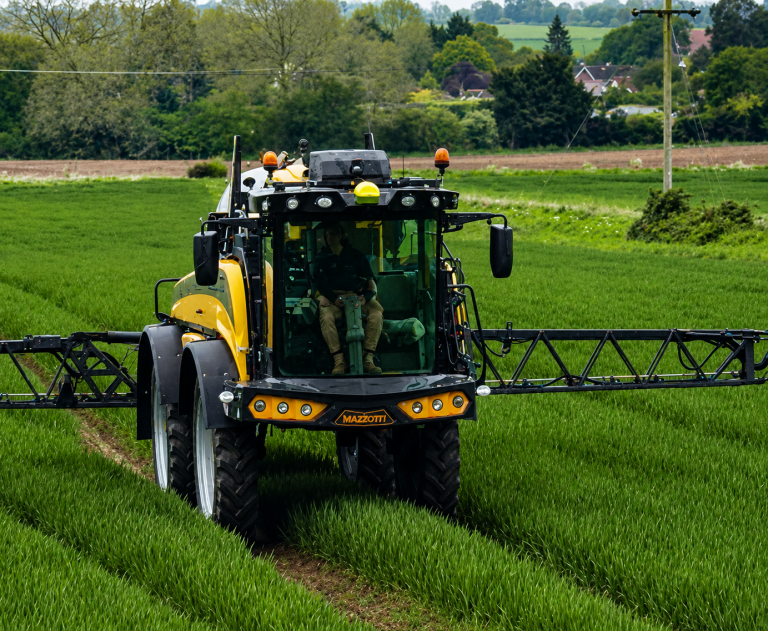
Liquid fertiliser supports field-by-field decisions at this stage because rates can be varied through the sprayer without changing equipment or product form. Where one field justifies a final pass and a neighbouring block does not, liquid systems handle that cleanly. Nitrogen goes where the return is most likely rather than being applied uniformly across the whole farm.
Final nitrogen for milling wheat protein
For milling wheat, the case for a final nitrogen pass is most relevant where protein is still within reach and crops are in good enough condition to respond. A crop with an active flag leaf, even canopy, and strong head development can still convert late nitrogen into grain protein. Where crops are thin or have been significantly stressed by dry conditions, that capacity is reduced.
Foliar liquid nitrogen suits final protein applications because it can be applied at lower volumes and completed quickly when a suitable window appears. In a season where travel has been restricted and spray days have been limited, the ability to complete a targeted pass without a long field entry time has practical value.
The role of dry conditions in final nitrogen decisions
Dry soils have affected nitrogen behaviour across many crops this season. Where soils have been dry through key growth stages, nitrogen applied earlier may not have moved into the root zone as efficiently as in a more normal season. That creates genuine uncertainty around how much of the planned programme the crop has actually used.
Final nitrogen applications into dry conditions carry similar risks. Nitrogen applied to a crop under moisture stress may sit in the surface soil rather than being taken up, particularly in the short term. Growers are weighing that reality against the potential for conditions to change before harvest, and making decisions based on current crop condition rather than original plans.
Sulphur and the efficiency of final applications
Balanced nitrogen and sulphur matters at every stage of the programme, including final applications. Sulphur supports how efficiently nitrogen is processed by the plant, so a sulphur deficit can limit the response to late nitrogen even when the rate applied looks correct. This is particularly relevant for milling wheat, where protein formation depends on both nutrients being available together.
Using foliar urea plus sulphur in final passes maintains balanced nutrition without adding complexity. Nitrogen and sulphur are delivered together in the same application, supporting efficient uptake from whatever the crop can still absorb. Where sulphur has been well covered earlier in the season, the crop is better positioned to use final nitrogen effectively.
How liquid fertiliser performs when timing is tight
Liquid fertiliser delivers an even nutrient rate across the full boom width in every pass. For final applications, where windows are narrow and there may be limited opportunity to return to a field, that consistency reduces the risk of uneven response. Every part of the field receives the planned rate without the variability that can affect spreading in dry, dusty conditions.
Application through the sprayer also allows final passes to be completed alongside other nutritional or crop protection work where appropriate. Combining passes reduces field entries and helps get applications done within the available windows. Nitrasol’s liquid nitrogen grades deliver a concentrated nutrient rate in fewer litres per hectare, keeping applications fast and practical.
Nitrogen use efficiency at the end of the season
Getting the most from final nitrogen applications is partly about what goes on now, and partly about understanding how the whole programme has performed. Nitrogen use efficiency reflects how much of the total applied has reached the crop and contributed to yield or protein. In a difficult season, that figure can be lower than planned, and final decisions should account for that honestly.
Where earlier nitrogen has been efficiently taken up and the crop is in good condition, a final pass has a clear role. Where uptake has been restricted and crops are carrying less than expected, adding more nitrogen is unlikely to recover what dry conditions have already cost. Liquid systems and balanced nitrogen plus sulphur grades support efficiency throughout, helping more of what is applied reach the crop whenever conditions allow.
Making final nitrogen decisions work across the farm
Final nitrogen decisions are most effective when they are grounded in what each field is actually showing, rather than what the original plan assumed. Crops vary more than pre-season plans anticipate, and a dry spring has added further variation across soil types, drilling dates, and establishment quality.
Liquid fertiliser supports this field-by-field approach without requiring changes to infrastructure or additional logistics. Rates can be adjusted between fields through the sprayer controller, balanced nutrition is maintained through UAN plus Sulphur grades during the peak of the season, switching to foliar grades for final passes, and applications can be completed quickly when windows allow. That combination of reliability and practicality is what makes liquid nitrogen a sensible choice in a challenging season.
Looking to get more from your fertiliser? Get in contact with us today to get started.