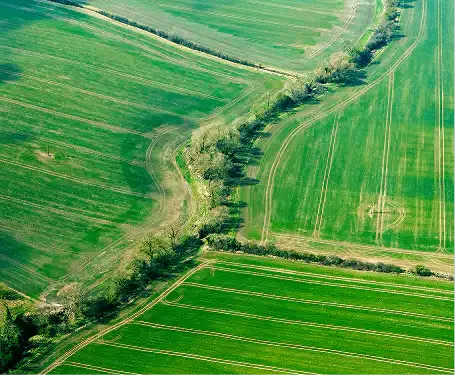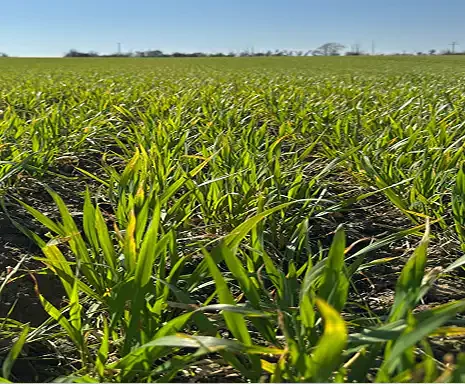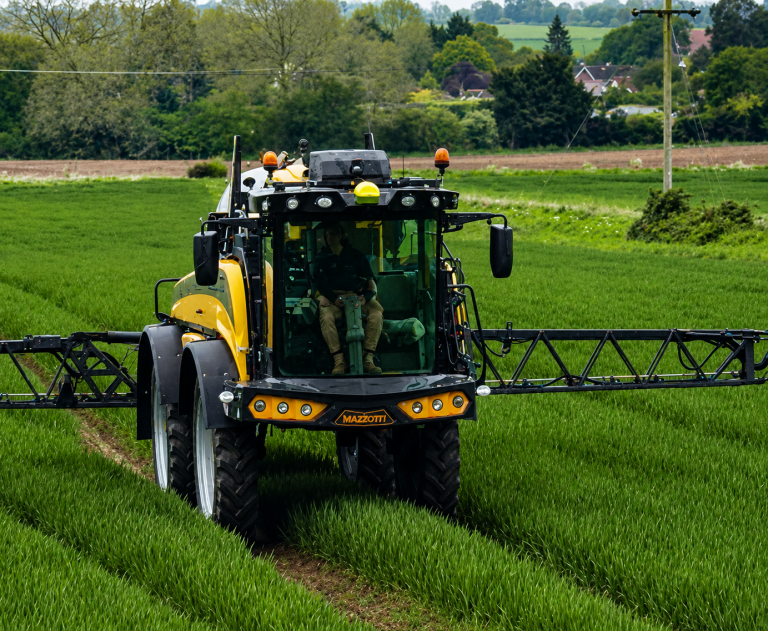

What you see in the first eight to ten weeks after drilling can be a good indicator of nitrogen efficiency. Strong, even biomass, a stable green canopy and active rooting usually mean more of the nutrients you applied have been captured by the crop rather than lost to the environment.
In contrast, thin patches, inconsistent colour and sluggish spring recovery could be pointing towards nitrogen losses or imbalance rather than simply “not enough nitrogen on the ticket”. Reading these signals early helps you fine‑tune future rates, timings and product choice instead of just adding more fertiliser next year.
What healthy early growth looks like
In cereals, efficient nitrogen use shows as rapid leaf expansion, a dense but not overly lush canopy, and a good spread of well‑anchored tillers by late autumn (depending on drilling date). Individual plants tend to look balanced: upright leaves, no obvious paling on newer growth and roots that explore beyond the seed slot.
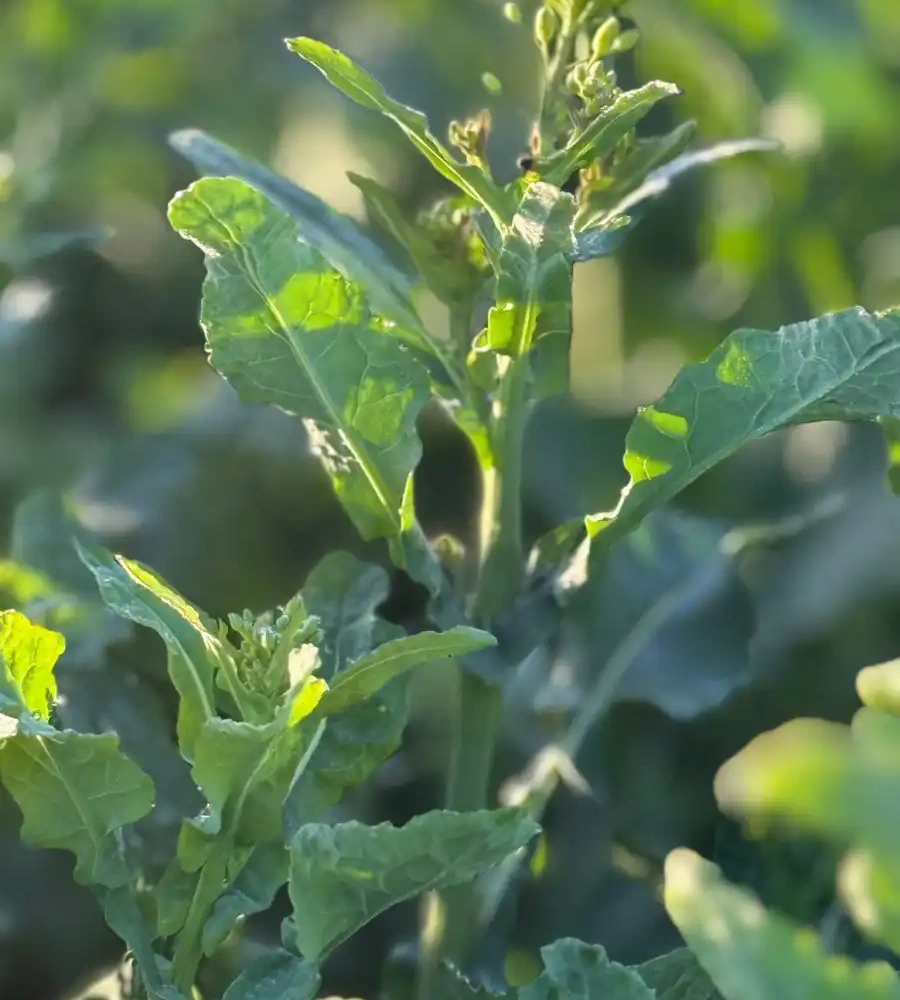
Oilseed rape with efficient nitrogen and sulphur uptake typically has a thick, even stand, broad leaves and a strong taproot with plenty of fine laterals before winter. These crops usually hold their colour and structure through cold or wet spells, then move quickly when temperatures lift, reflecting a steady supply of plant‑available nitrogen rather than brief spikes.
Visual warning signs of poor nitrogen efficiency
Pale, yellow‑green foliage on the newest leaves, especially on lighter ground or high spots, is often a sign that applied nitrogen is not being used efficiently. Where sulphur is short, these symptoms frequently appear first on younger tissue and may persist even when overall nitrogen rates look adequate on paper because sulphur and nitrogen work together in protein and chlorophyll formation.
Uneven crop height, thin headlands and visibly weaker bands in areas prone to leaching or volatility suggest that a proportion of applied nitrogen has been lost before the plant could take it up. If those poorer areas correspond with lighter soils or exposed slopes, it reinforces the likelihood that timing, form or protection of nitrogen could need attention in future seasons.
Timing, weather and what they reveal
How crops respond to weather swings around application tells you a lot about nitrogen availability in the root zone. Where nitrogen is efficiently protected and matched with sulphur, cereals and OSR tend to ride out wet or cold periods with less check, then pick up quickly once conditions improve because more of the nutrient remains plant‑available.
By contrast, crops that show a brief period of growth after an application and then stall, could be signalling that a proportion of the applied nitrogen was lost. If you repeatedly see this pattern, it’s possible that your system could benefit from slower‑release nitrogen forms or inhibitor technologies that keep more of the nutrient in the ammonium pool for longer.
What early growth suggests about future strategy
Consistently strong, even early growth across soil types is a sign that your current nitrogen and sulphur balance, product choice and timings are close to optimum for that farm. In such fields, advanced liquid grades that already combine nitrogen and sulphur in readily available forms are likely supporting high nitrogen use efficiency and good return on every litre applied.
Where visual cues repeatedly point to losses or imbalance, early crop growth is effectively telling you to rethink how that nitrogen is delivered. Moving towards high‑analysis liquid nitrogen + sulphur, with stabilisers such as AdvaNShield to reduce volatilisation and leaching, is one way growers are turning those early season observations into more efficient nitrogen strategies over time.
Are you considering the move to liquid fertiliser? Get in contact with us today to get started.