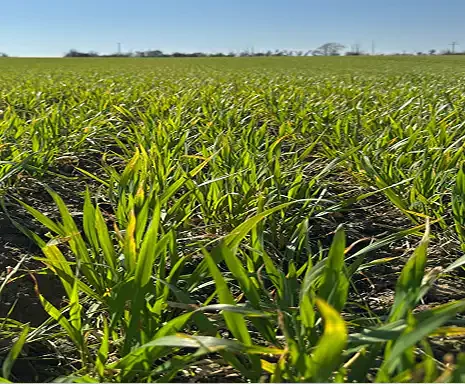

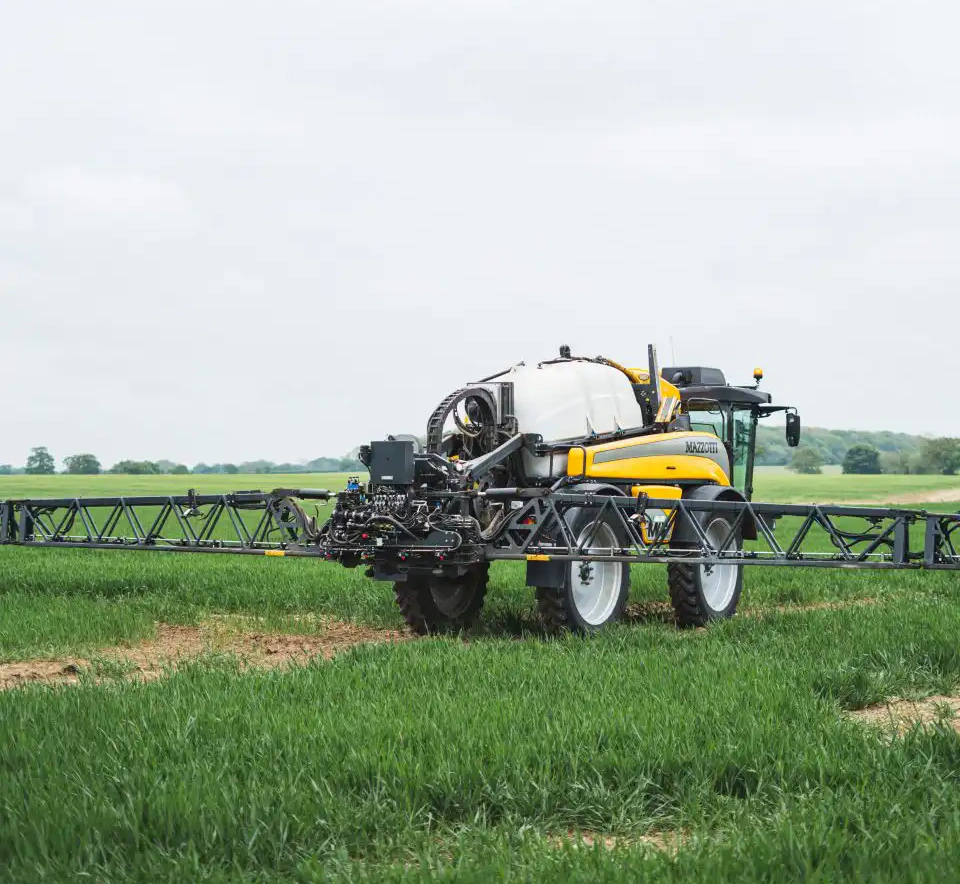
Nitrogen protection rules introduced under Defra Option 4 require urea-based fertilisers to include a urease inhibitor when applied after 1 April each year. Spring applications often overlap this regulatory change, making it important for growers to understand what the rules mean in practice and how to maintain compliance without altering application routines.
What Changes from 1 April
From 1 April, any fertiliser containing more than 1% urea must be treated with a urease inhibitor or applied only within the permitted window of 15 January to 31 March. This requirement applies to both solid urea and liquid UAN products used in spring cereal and oilseed rape programmes.
The rules were introduced to reduce ammonia emissions from agriculture, which contribute to air quality issues. Research shows that unprotected urea loses an average of 22% of applied nitrogen as ammonia in arable crops, rising to 27% in grassland. Nitrogen protection technology slows this conversion, keeping more nitrogen available for crop uptake.
Why Spring Applications Overlap This Change
Spring is the most intensive nitrogen application period on farm, with main cereal passes often extending from late February through April. Weather delays, workload pressure, and variable crop development mean applications planned for March can easily shift into April when conditions prevent timely access.
Growers using UAN or urea-based products need to account for this timing overlap in their planning. Products applied before 1 April can use standard formulations, while applications made from 1 April onwards require nitrogen protection to meet compliance standards.
What Nitrogen Protection Means in Practice
Nitrogen protection uses urease inhibitors to slow the conversion of urea into ammonia gas. This technology blocks the urease enzyme in soil, reducing volatilisation losses and keeping nitrogen in plant-available forms for longer.
AdvaNShield uses a polymer based on Verdesian’s NutriSphere-NL, a proven urease inhibitor that cuts ammonia emissions by over 50% compared to untreated urea. The technology is water-based, providing a safer alternative to solvent-based products while maintaining effective protection.
Compliance Without Changing Application Practice
The Option 4 rules are designed to reduce emissions without requiring growers to alter sprayer setup or field operations. Protected nitrogen products work in the same way as standard formulations, with the inhibitor added to the liquid fertiliser before dispatch.
Growers can use unprotected products for early spring passes and switch to protected grades as April approaches. This flexibility means nitrogen protection is used when required by regulation, rather than across all applications regardless of timing.
Red Tractor and Industry Standards
Option 4 compliance is audited through the Red Tractor assurance scheme, which adopted the requirement as a mandatory standard from April 2024. Businesses found not complying must undertake the BASIS module on reducing ammonia emissions.
The scheme was introduced as a voluntary industry-led alternative to stricter government regulation or a blanket ban on untreated urea. By committing to nitrogen protection after 1 April, the farming sector avoided more restrictive legislative controls.
Record Keeping and Documentation
Farmers must maintain accurate records of fertiliser types and application dates to meet inspection requirements. This documentation supports compliance and demonstrates that nitrogen protection was used when regulations apply.
FACTS-qualified advisers can provide agronomic justification for specific timing or product decisions, supporting record-keeping and regulatory alignment. Businesses already working with agronomists will find these requirements integrate into existing nutrient planning processes.
Staying Compliant During Spring Applications
AdvaNShield-protected nitrogen helps farmers prepare during spring applications, supporting compliance and efficiency as April approaches. The technology can be added to Nitrasol’s portfolio of Nitrogen and Nitrogen + Sulphur grades, allowing growers to upgrade products at dispatch when applications are planned for after 1 April.
This approach means standard products can be used for early passes, with protection added only when required by timing.
Efficiency Benefits Beyond Compliance
Nitrogen protection delivers agronomic benefits alongside regulatory compliance. Field trials show that AdvaNShield can support yield improvements of up to 4% compared to untreated nitrogen sources. This results from better nutrient availability, reduced losses, and improved timing flexibility.
Slower nitrogen release means crops access nutrients over a longer period, supporting sustained growth and reducing the risk of deficiency symptoms appearing later in the season. In some situations, protected nitrogen allows a single application to meet crop needs, reducing the number of passes required.
Planning Ahead for April
Spring weather is unpredictable, and applications planned for March can shift into April when conditions prevent field access. Ordering protected nitrogen early supports operational flexibility, allowing applications to proceed when spray windows open regardless of date.
Nitrasol can supply AdvaNShield-protected grades for delivery from early spring, with products stable in storage between seasons. This means growers can hold protected nitrogen on farm and apply it when conditions allow, without pressure to complete applications before regulatory dates.
Monitoring and Future Regulation
The effectiveness of Option 4 is being monitored by Defra, with a review planned for 2025-26 to assess whether ammonia reduction targets are being met. If voluntary compliance does not achieve the required emission cuts, new legislation may be introduced.
Current projections suggest Option 4 will deliver around 11 kilotons of ammonia emissions reductions by 2024-25. Meeting these targets through industry self-regulation helps maintain access to urea-based products while supporting environmental and air quality goals.
Practical Compliance from April
Option 4 rules require nitrogen protection for urea-based fertilisers applied from 1 April, but compliance does not mean changing application practice. AdvaNShield technology provides urease inhibition that meets Red Tractor standards, supporting regulatory requirements while improving nitrogen use efficiency.
Spring applications overlap the April regulatory change, making forward planning important. If plans go awry, Nitrasol offers their AdaNSheild NBPT in 10 litre canisters for easy addition to the sprayer on farm.