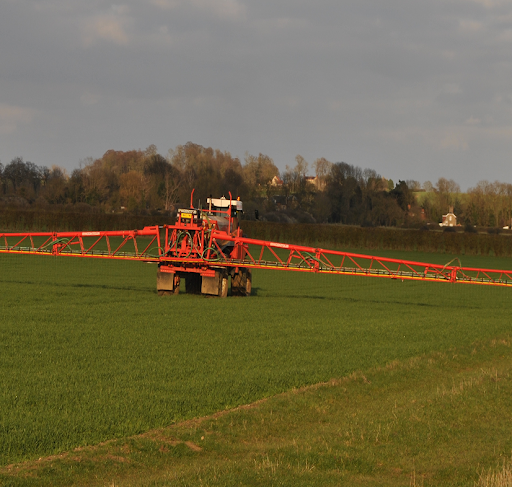

Nitrogen drives spring growth, but without adequate sulphur it cannot deliver its full potential. Nitrogen and sulphur work together in protein synthesis, chlorophyll production, and nutrient metabolism. Applying both nutrients together in spring applications supports efficient crop uptake and builds the foundation for strong canopy development.
Nitrogen Needs Sulphur to Perform
Nitrogen is the most visible driver of crop growth, stimulating leaf area expansion and supporting biomass production. However, crops cannot use nitrogen efficiently when sulphur is deficient. Research shows that sulphur deficiency restricts nitrogen uptake, causing nitrate to accumulate in plant tissues rather than being converted into proteins.
The relationship between nitrogen and sulphur is direct. Plants require sulphur to metabolise absorbed nitrogen into amino acids and proteins. Without sufficient sulphur, applied nitrogen remains underutilised, reducing the efficiency of fertiliser investment and limiting yield potential.
Early Sulphur Deficiency Risks
Sulphur deficiencies often appear during early spring growth when crops are breaking dormancy and beginning active uptake. Cooler soil temperatures slow sulphur mineralisation from organic matter, and shallow root systems cannot yet access sulphur deeper in the soil profile.
Crops lacking sulphur show stunted growth, yellowing of new leaves, and delayed maturity. Unlike nitrogen deficiency, which affects older leaves first, sulphur deficiency appears on younger growth because sulphur is not readily mobile within the plant. These symptoms can be mistaken for nitrogen deficiency, leading to incorrect application decisions that fail to address the underlying nutritional imbalance.
Efficiency Benefits of Combined Applications
Applying nitrogen and sulphur together in spring applications improves nutrient use efficiency and reduces the number of field passes required. Single-nutrient applications risk creating imbalances that limit crop performance, while balanced nutrition supports optimal uptake from the start.
Research demonstrates that crops receiving both nutrients together show improved nitrogen use efficiency compared to nitrogen-only applications. Sulphur enhances the chemical reduction of nitrate, supporting faster conversion into plant-available forms and reducing the accumulation of unused nitrogen in vegetative tissue.
Supporting Protein Synthesis and Quality
Sulphur is essential for protein synthesis in cereals, directly affecting grain quality and end-use performance. Crops deficient in sulphur produce lower protein levels even when nitrogen rates are adequate, because the plant cannot complete the metabolic processes that build protein compounds.
Applying nitrogen and sulphur together from early spring passes supports consistent protein development throughout the growing season. This is particularly important in milling wheat, where protein content determines market value and processing quality.
Liquid UAN + Sulphur for One-Pass Applications
UAN + Sulphur formulations allow both nutrients to be applied together in a single pass, improving operational efficiency during tight spring windows. Liquid products deliver uniform coverage across the boom, supporting even nutrient distribution and predictable crop response.
Nitrasol UAN + Sulphur grades combine nitrate, ammonium, and ureic nitrogen sources with plant-available sulphur forms. This provides both immediate and sustained nutrient release, supporting crop demand through variable spring conditions.
Balanced Ratios for Cereal Demand
Cereal crops typically require sulphur at one-third to one-half the rate of applied nitrogen. Nitrogen and sulphur products are formulated to match this demand, providing balanced nutrition without the need for separate applications or blending.
Higher concentration grades such as 30N + Sulphur reduce litres per hectare, cutting fill time and increasing sprayer productivity. This operational advantage matters during spring when weather windows are limited and every hour in the field counts.
Improving Nitrogen Use Efficiency
Sulphur applications can improve nitrogen use efficiency by up to 50% in wheat crops. This efficiency gain results from improved nitrogen metabolism, faster nitrate reduction, and enhanced protein synthesis. More of the applied nitrogen reaches the crop and contributes to yield rather than being lost through leaching or volatilisation.
Ammonium thiosulphate, commonly used in liquid nitrogen and sulphur formulations, provides additional benefits by slowing nitrogen release and reducing ammonia emissions. This controlled release supports sustained nutrient availability and reduces environmental losses during variable spring weather.
Supporting Root Development and Uptake
Balanced nitrogen and sulphur applications support stronger root growth, increasing the crop’s ability to access nutrients throughout the season. Improved root development helps crops reach deeper soil layers where additional nutrients may be available, supporting yield potential through later growth stages.
Sulphur plays a role in chlorophyll production, which can be reduced by up to 65% when sulphur is deficient. By maintaining adequate sulphur supply alongside nitrogen, crops develop fuller canopies with higher photosynthetic capacity, directly supporting biomass production and grain fill.
Timing for Maximum Effect
Early application of nitrogen and sulphur together supports crops during the period of maximum nutrient demand. Cereal crops increase nitrogen uptake rates significantly from tillering through to stem extension, and sulphur is needed throughout this period to support efficient nitrogen use.
Split applications allow growers to adjust nitrogen and sulphur ratios as crop demand changes. Early passes might use higher sulphur ratios to support protein synthesis and canopy development, while later applications focus on maintaining nitrogen supply through grain fill.
One Pass, Two Nutrients
Applying nitrogen and sulphur together in spring simplifies operations and improves nutrient efficiency. UAN + Sulphur formulations deliver both nutrients in plant-available forms, supporting balanced uptake and consistent crop response across variable soil types.
Crops that receive balanced nutrition from first passes establish stronger canopies, utilise nitrogen more efficiently, and maintain yield potential through variable spring conditions. Nitrasol UAN + Sulphur products provide this balanced nutrition in clear liquid formulations designed for accurate, uniform application when spring spray windows open.
Are you considering the move to liquid fertiliser? Get in contact with us today to get started.