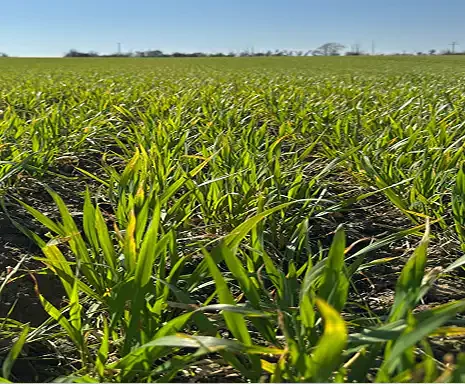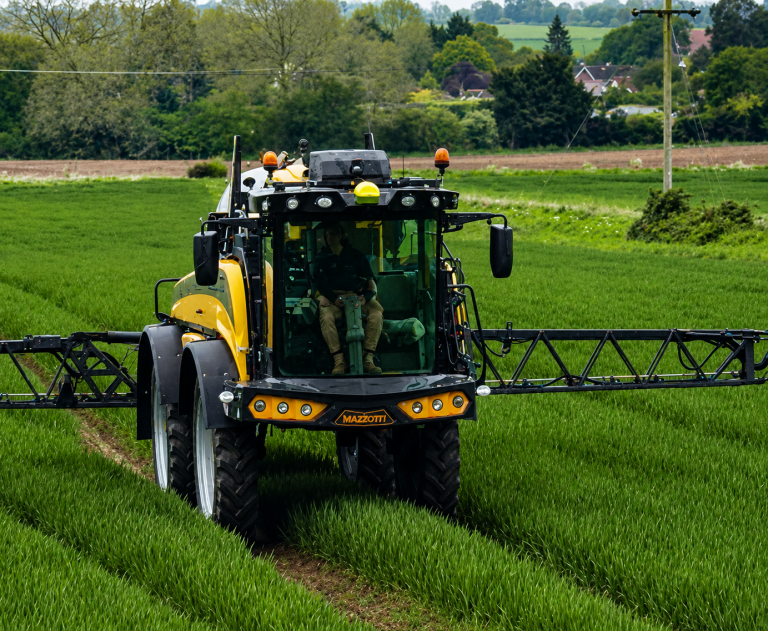


The use of liquid nitrogen fertiliser is revolutionising modern agriculture. Its application is pivotal in enhancing crop yields, improving soil health, and ensuring sustainable farming practices. As we delve deeper into this topic, we’ll explore the benefits, usage techniques, and the profound impact it has on the agricultural sector.
Introduction
In the quest for agricultural innovation, the use of liquid nitrogen fertiliser has emerged as a game-changer. Farmers and agronomists worldwide are increasingly turning to this efficient fertiliser to meet the growing demands for food production. With the global population on the rise, the need for effective and sustainable agricultural practices has never been more pressing. Liquid nitrogen fertiliser offers a promising solution by providing essential nutrients in a readily available form, thereby boosting crop productivity and ensuring environmental sustainability.
Understanding Liquid Nitrogen Fertiliser
Liquid nitrogen fertiliser is a concentrated solution of nitrogen, one of the primary nutrients required for plant growth. Unlike traditional granular fertilisers, liquid nitrogen is applied directly to the soil or foliage, allowing for rapid absorption and utilisation by plants. This method of fertilisation ensures that crops receive an immediate supply of nitrogen, which is crucial for their development.
Benefits of Liquid Nitrogen Fertiliser
The advantages of using liquid nitrogen fertiliser are manifold. Firstly, it enhances crop yields by providing a consistent and readily available source of nitrogen. This leads to healthier plants, increased growth rates, and higher productivity. Additionally, liquid nitrogen fertiliser improves soil health by promoting the activity of beneficial microorganisms and enhancing nutrient cycling.
Sustainable Farming Practices
Incorporating liquid nitrogen fertiliser into modern agricultural practices also aligns with the principles of sustainable farming. It reduces the need for excessive chemical inputs, thereby minimising the risk of environmental pollution. Moreover, the precise application techniques associated with liquid nitrogen fertilisers help in reducing wastage and ensuring that nutrients are utilised efficiently by crops.
The Science Behind Liquid Nitrogen Fertiliser
Understanding the science behind liquid nitrogen fertiliser involves delving into its composition and how it interacts with plants and soil.
Composition and Formulation
Liquid nitrogen fertiliser is typically formulated as urea ammonium nitrate (UAN) solutions. These solutions contain varying concentrations of nitrogen, which can be adjusted based on the specific needs of different crops and soil types. The ability to tailor the nitrogen content makes liquid nitrogen fertiliser a versatile option for diverse agricultural applications.
Mechanism of Action
When applied to the soil or foliage, liquid nitrogen fertiliser is quickly absorbed by plant roots or leaves. This rapid uptake is facilitated by the liquid form of the fertiliser, which allows for efficient nutrient transport within the plant. Once inside the plant, nitrogen plays a crucial role in various physiological processes, including photosynthesis, protein synthesis, and overall growth and development.
Impact on Soil Health
One of the key benefits of liquid nitrogen fertiliser is its positive impact on soil health. By providing a readily available source of nitrogen, it supports the growth of nitrogen-fixing bacteria and other beneficial microorganisms. These microorganisms play a vital role in nutrient cycling and soil fertility, ultimately contributing to the long-term sustainability of agricultural systems.
Application Techniques for Liquid Nitrogen Fertiliser
The effectiveness of liquid nitrogen fertiliser depends largely on the application techniques used. Precision in application ensures that crops receive the optimal amount of nutrients while minimising wastage.
Soil Application
Soil application of liquid nitrogen fertiliser involves injecting the solution directly into the soil. This method is particularly effective for crops with deep root systems, as it ensures that nitrogen is delivered to the root zone where it can be readily absorbed. Soil application also reduces the risk of nitrogen loss through volatilisation, making it a more efficient fertilisation method.
Foliar Application
Foliar application involves spraying the liquid fertiliser directly onto the leaves of plants. This method allows for rapid nutrient uptake and is especially useful during periods of high nutrient demand, such as flowering and fruiting stages. Foliar application can also be combined with other crop protection measures, such as pesticide sprays, to maximise efficiency and minimise labour costs.
Drip Irrigation Systems
Integrating liquid nitrogen fertiliser with drip irrigation systems offers a highly efficient and precise fertilisation method. By delivering nutrients directly to the root zone through the irrigation system, farmers can ensure that crops receive a consistent supply of nitrogen throughout their growth cycle. This method also conserves water and reduces the risk of nutrient leaching, making it an ideal choice for sustainable agriculture.
Case Studies: Success Stories of Liquid Nitrogen Fertiliser
Real-world examples highlight the transformative impact of liquid nitrogen fertiliser on modern agriculture. Several case studies illustrate how farmers have successfully integrated this fertiliser into their practices, resulting in significant improvements in crop yields and sustainability.
Increased Wheat Yields in the UK
In the UK, farmers have reported remarkable increases in wheat yields following the adoption of liquid nitrogen fertiliser. By applying the fertiliser through precision injection systems, they have achieved more uniform crop growth and higher grain quality. This success has not only boosted farm profitability but also contributed to the overall sustainability of wheat production in the region.
Enhanced Corn Production in the United States
Corn farmers in the United States have also benefited from the use of liquid nitrogen fertiliser. Through targeted soil and foliar applications, they have been able to optimise nitrogen use efficiency, resulting in healthier plants and higher yields. The integration of liquid nitrogen fertiliser with advanced irrigation systems has further enhanced the productivity and sustainability of corn farming operations.
Sustainable Rice Cultivation in Asia
In Asia, rice farmers are increasingly adopting liquid nitrogen fertiliser as part of their sustainable farming practices. By using precision application techniques, they have reduced the need for excessive chemical inputs and minimised environmental pollution. This shift towards more sustainable rice cultivation methods has not only improved crop yields but also contributed to the long-term health of agricultural ecosystems.
Challenges and Solutions in Using Liquid Nitrogen Fertiliser
Despite its numerous benefits, the use of liquid nitrogen fertiliser is not without challenges. Addressing these challenges is crucial to maximising the effectiveness and sustainability of this fertilisation method.
Managing Volatilisation
One of the primary challenges associated with liquid nitrogen fertiliser is nitrogen loss through volatilisation. When liquid fertiliser is applied to the soil surface, some of the nitrogen can be lost to the atmosphere as ammonia gas. To mitigate this issue, farmers can adopt practices such as soil injection or incorporation, which help to retain nitrogen in the root zone and reduce volatilisation losses.
Addressing Leaching
Another challenge is the potential for nitrogen leaching, particularly in sandy soils with low water-holding capacity. Leaching occurs when nitrogen moves beyond the root zone and into groundwater, leading to environmental pollution. To address this issue, farmers can use controlled-release formulations of liquid nitrogen fertiliser and adopt precision irrigation techniques to ensure that nitrogen is delivered in a controlled and efficient manner.
Ensuring Proper Storage and Handling
Proper storage and handling of liquid nitrogen fertiliser are essential to maintain its effectiveness and prevent accidents. Farmers should store the fertiliser in appropriate containers and ensure that it is handled with care to avoid spills and leaks. Training and education on safe handling practices can further minimise the risk of accidents and ensure that the fertiliser is used effectively.
Future Prospects of Liquid Nitrogen Fertiliser
The future of liquid nitrogen fertiliser looks promising, with ongoing research and technological advancements poised to enhance its effectiveness and sustainability.
Innovations in Formulation and Delivery
Advancements in the formulation and delivery of liquid nitrogen fertiliser are expected to further improve its efficiency and reduce environmental impacts. Innovations such as nano-fertilisers, which involve the use of nanoscale materials to enhance nutrient delivery, hold great potential for the future of fertilisation. These technologies can improve nutrient use efficiency, reduce wastage, and minimise environmental pollution.
Integration with Precision Agriculture
The integration of liquid nitrogen fertiliser with precision agriculture technologies offers exciting prospects for the future. By using sensors, drones, and data analytics, farmers can precisely monitor crop nutrient needs and apply fertilisers accordingly. This level of precision ensures that crops receive the optimal amount of nutrients, leading to improved yields and reduced environmental impacts.
Sustainable Farming Systems
As the agricultural sector continues to prioritise sustainability, liquid nitrogen fertiliser is expected to play a key role in sustainable farming systems. By providing an efficient and environmentally friendly source of nitrogen, it supports the goals of sustainable agriculture, including improved soil health, reduced chemical inputs, and enhanced crop productivity.
Addressing Global Food Security
The use of liquid nitrogen fertiliser also has significant implications for global food security. By enhancing crop yields and ensuring efficient nutrient use, it can contribute to meeting the growing demand for food in a sustainable manner. This is particularly important in regions facing food insecurity and limited agricultural resources.
Liquid Nitrogen Fertiliser in Modern Agriculture FAQs
What is liquid nitrogen fertiliser?
Liquid nitrogen fertiliser is a concentrated solution of nitrogen, essential for plant growth, applied directly to soil or foliage for rapid absorption and utilisation.
How does liquid nitrogen fertiliser benefit crops?
It provides a readily available source of nitrogen, enhancing crop yields, improving soil health, and supporting sustainable farming practices.
What are the application methods for liquid nitrogen fertiliser?
Common methods include soil injection, foliar spraying, and integration with drip irrigation systems, ensuring efficient and precise nutrient delivery.
What challenges are associated with using liquid nitrogen fertiliser?
Challenges include managing nitrogen loss through volatilisation and leaching, and ensuring proper storage and handling to maintain effectiveness.
How does liquid nitrogen fertiliser support sustainable agriculture?
It reduces the need for excessive chemical inputs, minimises environmental pollution, and promotes the activity of beneficial soil microorganisms.
What are the future prospects for liquid nitrogen fertiliser?
Future advancements include innovations in formulation and delivery, integration with precision agriculture, and its role in addressing global food security.
Summary
The role of liquid nitrogen fertiliser in modern agriculture is undeniably transformative. By providing a reliable and efficient source of nitrogen, it enhances crop productivity, supports soil health, and promotes sustainable farming practices. As the agricultural sector continues to evolve, the adoption of liquid nitrogen fertiliser will be crucial in meeting the challenges of global food security and environmental sustainability. With ongoing research and technological advancements, the future of liquid nitrogen fertiliser looks promising, offering hope for a more sustainable and productive agricultural landscape.