
Ask any grower who has been caught out by a delayed delivery in a tight application window, and they will tell you the same thing: control over supply is worth more than people give it credit for. That is exactly what on-farm liquid fertiliser storage can deliver, and it is one of the more overlooked advantages available to growers looking ot convert.
Buying on Your Own Timeline
Without on-farm tanks, fertiliser purchasing is often influenced by when product can be delivered, not solely by when it makes the most sense to buy. On-farm storage reduces that constraint. Growers can buy earlier, potentially take advantage of favourable pricing and secure the grade(s) they need, rather than, in some cases, relying solely on what happens to be available when demand is at its peak.
This is particularly relevant heading into the autumn planning window. Deciding what nitrogen and sulphur grade to have on order is a supply decision that can be made well ahead of spring application pressure. A grower with dedicated storage can settle that decision months before it becomes urgent, while a grower relying on grainstore space may have less flexibility over delivery timing and product choice.
Storage does not guarantee a lower fertiliser price, and buying decisions will still depend on the market, cash flow and the terms available. What it provides is a wider window in which to make that decision and somewhere suitable for the product to be held until it is needed.
Removing Bottlenecks at the Busiest Times
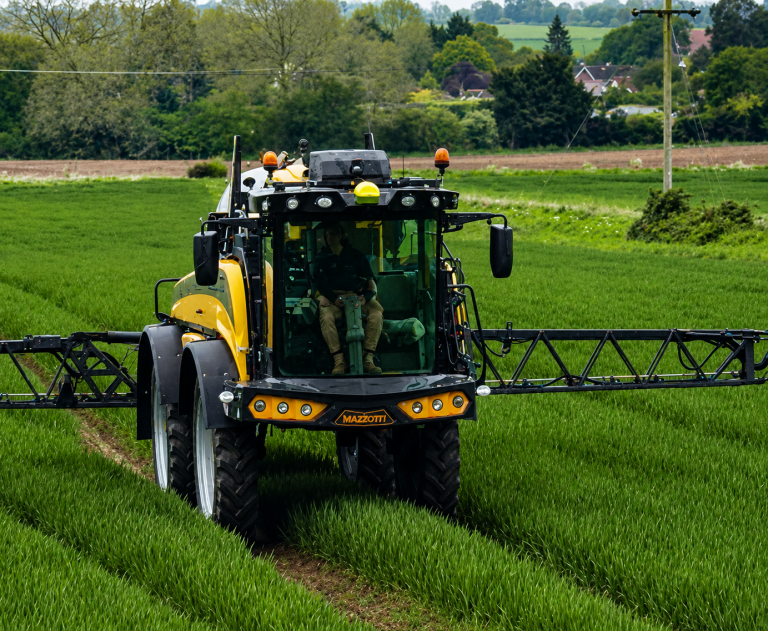
Spring nitrogen windows can be short, and every operation on the farm is competing for the same hours. Having liquid fertiliser already on site means application is less dependent on haulage schedules or short supplier lead times, like is often the case with solid product delivery. When soil, crop and weather conditions are suitable, the product is there and ready to use rather than waiting on a delivery slot that may be affected by a change in the forecast.
That reliability can make planning easier across a season. A grower who is not waiting on deliveries is better placed to act on agronomic timing rather than logistics timing. It can also reduce the risk of compromising application timing simply because the product has not yet arrived.
Flexible On-Farm Storage
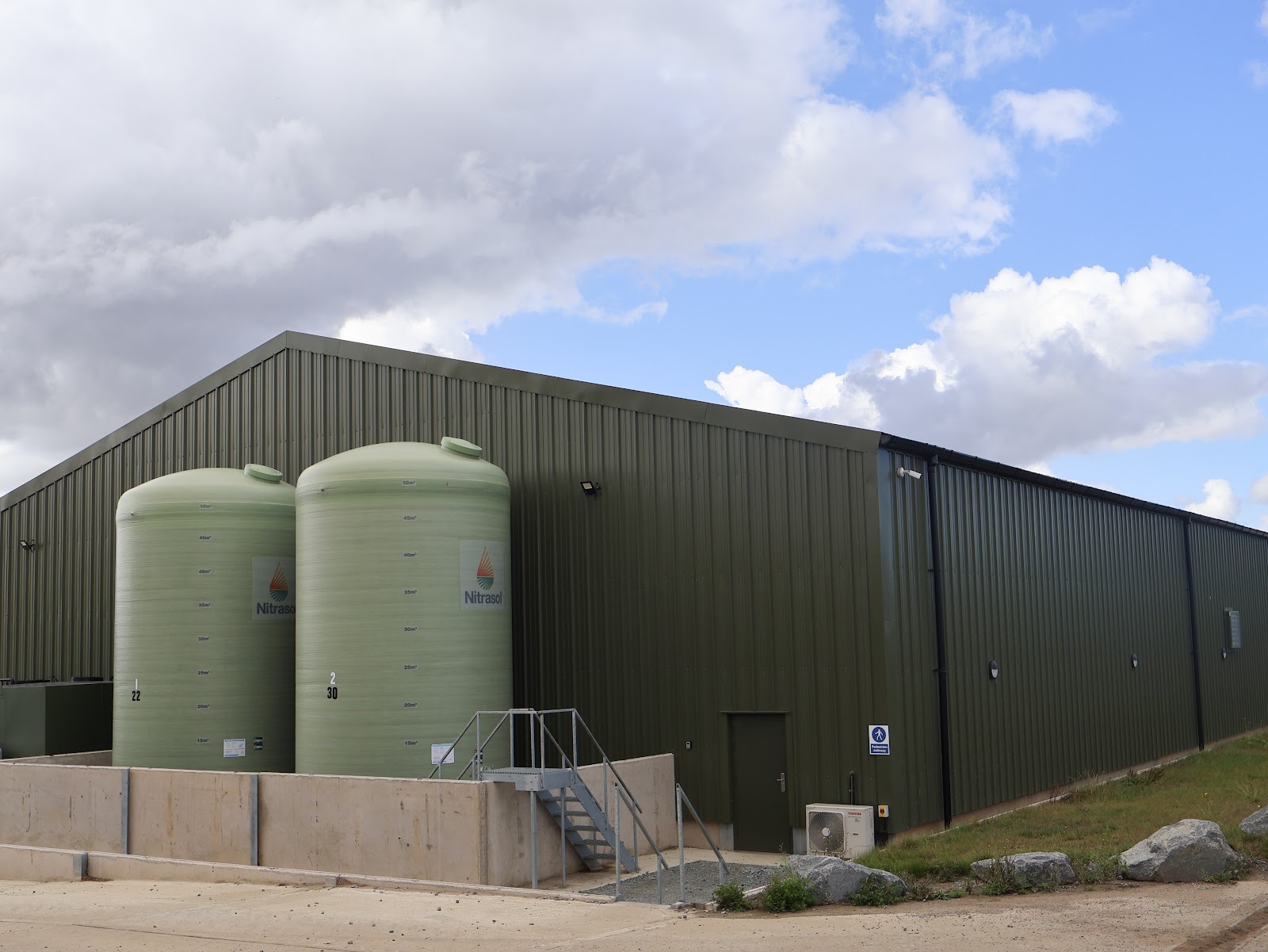
Nitrasol can provide a suitable on-farm storage tank alongside an agreed commitment to a volume of fertiliser each season. This offers growers a straightforward route into liquid fertiliser without needing to purchase a tank independently.
Farmers who prefer to own their storage infrastructure can also purchase and install their own tank. Whichever option is chosen, the tank, bund and associated equipment must be suitable for liquid fertiliser and appropriately sized for the farm’s requirements.
Nitrasol liquid fertilisers are produced to the highest standards of quality and clarity. A correctly specified and well-maintained storage system supports safe, efficient handling from delivery through to application.
What to Think About Before Converting to Liquid
Converting to liquid fertiliser starts with understanding how the system will work across the farm. Key considerations include annual fertiliser requirements, preferred grades, delivery planning and how storage will integrate with existing application equipment and working practices.
The tank must also be positioned where delivery and application vehicles can access it safely. The site, base, bunding, pipework, valves, watercourses, drains and spill-planning arrangements should all be considered as part of the installation.
Nitrasol’s regional managers can guide growers through each of these decisions. From assessing product requirements and identifying a suitable storage arrangement to planning installation and delivery, they provide practical support to help make the move to liquid fertiliser straightforward.
A Supply Decision, Not Just a Storage One
On-farm liquid fertiliser storage is not really about the tank itself. It is about the control it gives the grower over purchasing, delivery and product availability at the point in the season when those things matter most. Growers who treat storage as an afterthought can find themselves making rushed decisions later. Those who plan it properly are better placed to make decisions on their own schedule.