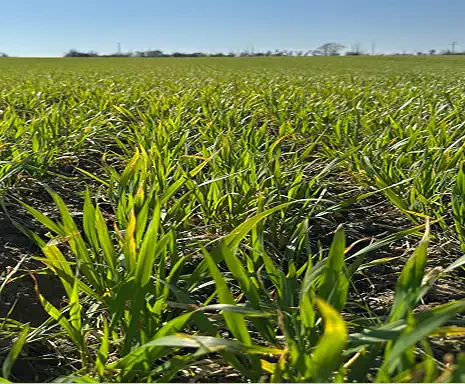
Strong establishment sets the tone for the growing season. A crop that emerges evenly and develops a healthy root system is better placed to cope with later pressures, while one that struggles out of the ground may carry the effects of poor establishment into winter and spring.
Getting the Foundations Right
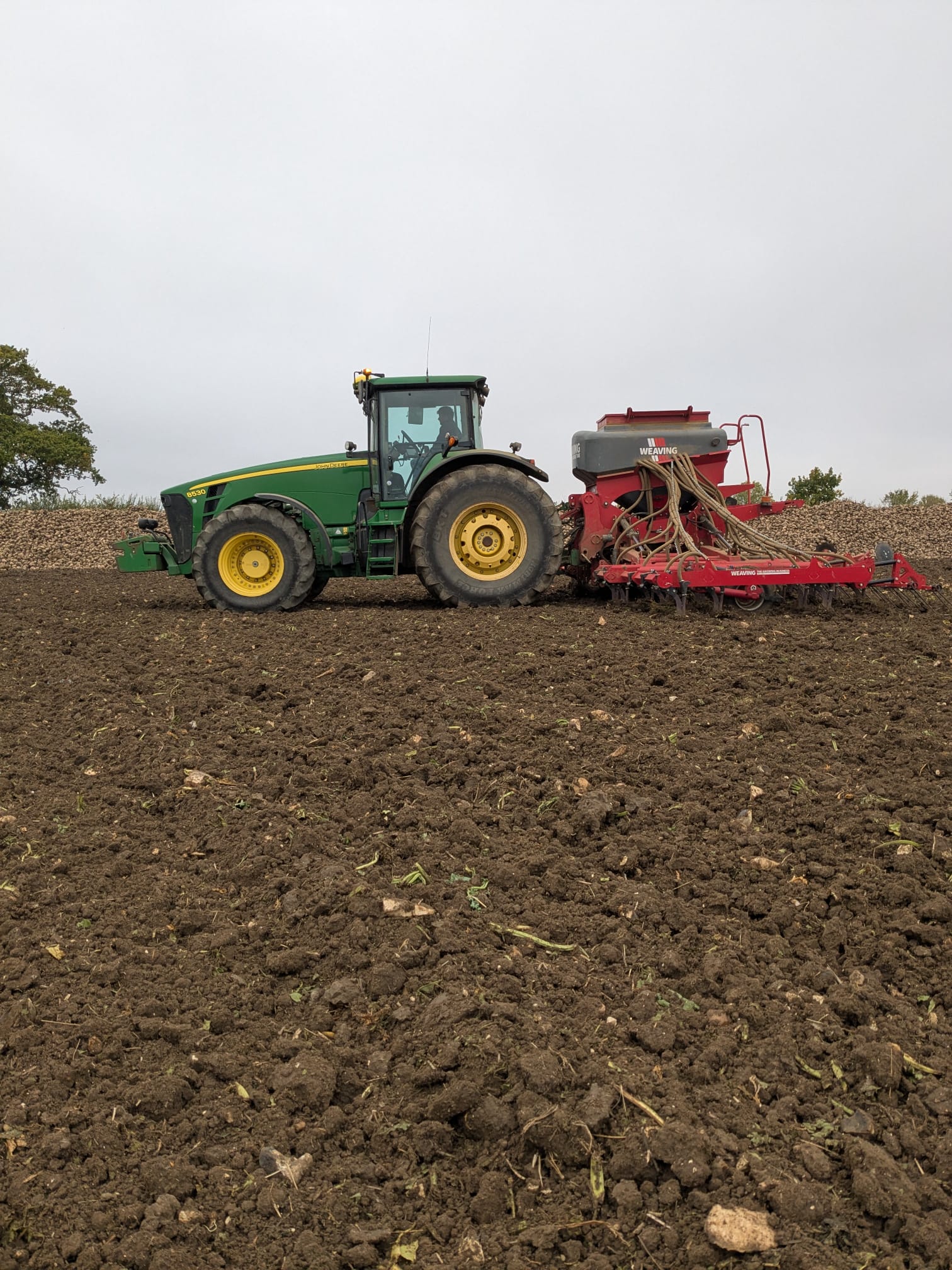
Good establishment starts with the seedbed. Consolidation, moisture retention and even seed placement all matter, particularly on farms working across mixed soil types where one approach does not suit every field. A seedbed that looks fine on the surface can still be inconsistent underneath, and that inconsistency can show up later as uneven emergence that is much harder to correct once the crop is growing.
Drilling date is only one part of the decision. Soil conditions, crop, grassweed pressure, pest risk and the forecast all need to be considered. In some situations, accepting a slightly later drilling date to achieve a better seedbed will be the right decision. In others, a delay may reduce the time available for establishment before winter. The aim is to drill at the most appropriate time for the field, rather than forcing a calendar date when conditions are unsuitable.
Nutrition planning from day one also plays a part. Rather than treating early crop nutrition as an afterthought once plants are visibly struggling, it is worth considering nutrient availability as part of the establishment plan. That means taking account of soil analysis, field history and known deficiency risks, while recognising that additional nutrition cannot compensate for poor seed placement, compaction, waterlogging or other establishment problems.
Visible symptoms can be difficult to diagnose reliably in the field because nutritional deficiencies may resemble moisture stress, disease, poor rooting or seedbed variation. Where a deficiency is suspected, crop inspection and, where appropriate, plant analysis should support the diagnosis before treatment is chosen.
Manganese: A Watch-Out on Light Land
One issue worth flagging at a general level is manganese deficiency. It is frequently associated with light, sandy or chalky soils, high-pH or calcareous conditions and loose, poorly consolidated seedbeds. Dry conditions can increase the risk because manganese availability and crop uptake are influenced by soil moisture and root activity.
In cereals, typical symptoms include pale, limp growth and interveinal yellowing, generally beginning on older leaves. Species-specific grey or brown spotting may also develop. Symptoms often appear in patches, and more consolidated wheelings can sometimes remain greener than the surrounding crop.
It is a deficiency that can be confused with other stresses, including poor drainage, moisture stress or inconsistent seedbed conditions. That similarity is why it is worth looking at the pattern in the field, soil characteristics and previous field history rather than assuming early yellowing will resolve itself or automatically treating it as manganese deficiency.
Symptoms may ease as moisture, rooting and manganese availability improve, but severe or persistent deficiency can continue to hold the crop back and reduce performance. Where deficiency is confirmed, foliar manganese is generally the most effective treatment because soil-applied manganese can rapidly become unavailable. The correct timing and product will depend on the crop and severity, and repeat applications may be needed on fields with a history of severe deficiency.
Growers on higher-risk land are best placed to monitor establishing crops through the early weeks and flag anything unusual to their agronomist promptly. Plant analysis can help support the diagnosis where symptoms or their cause are unclear.
Looking Ahead Rather Than Reacting
The theme running through all of this is the same one underpinning the wider autumn planning period: crops that are set up properly from the start generally need less firefighting later. That applies to seedbed quality, early nutrition and keeping a watchful eye on fields where manganese risk is higher.
It is worth remembering that establishment decisions made in a hurry can create work later in the season that might otherwise have been avoided. A patient approach to seedbed preparation, combined with a nutrition plan that anticipates known risks without treating every symptom in advance, can provide the crop with a stronger start. Preparing well now, rather than reacting to problems once they appear, is what gives the crop the best opportunity to establish successfully.