Why Protein Outcomes Depend On What Happened Mid-Season
Protein outcomes in milling wheat do not start with the final nitrogen pass. They reflect the whole nutrition programme, and mid-season decisions are a major part of that.
Canopy strength, flag leaf health, crop nitrogen status, and how well nitrogen was taken up around stem extension all influence how much nitrogen is available for grain protein later on.
When mid-season nutrition has supported a strong, healthy crop, late nitrogen has a better chance of improving protein. Where crops have been underfed, uneven, or stressed through that period, protein outcomes can fall short of what the total nitrogen applied might suggest.
Canopy Health As A Guide To Likely Protein Outcomes
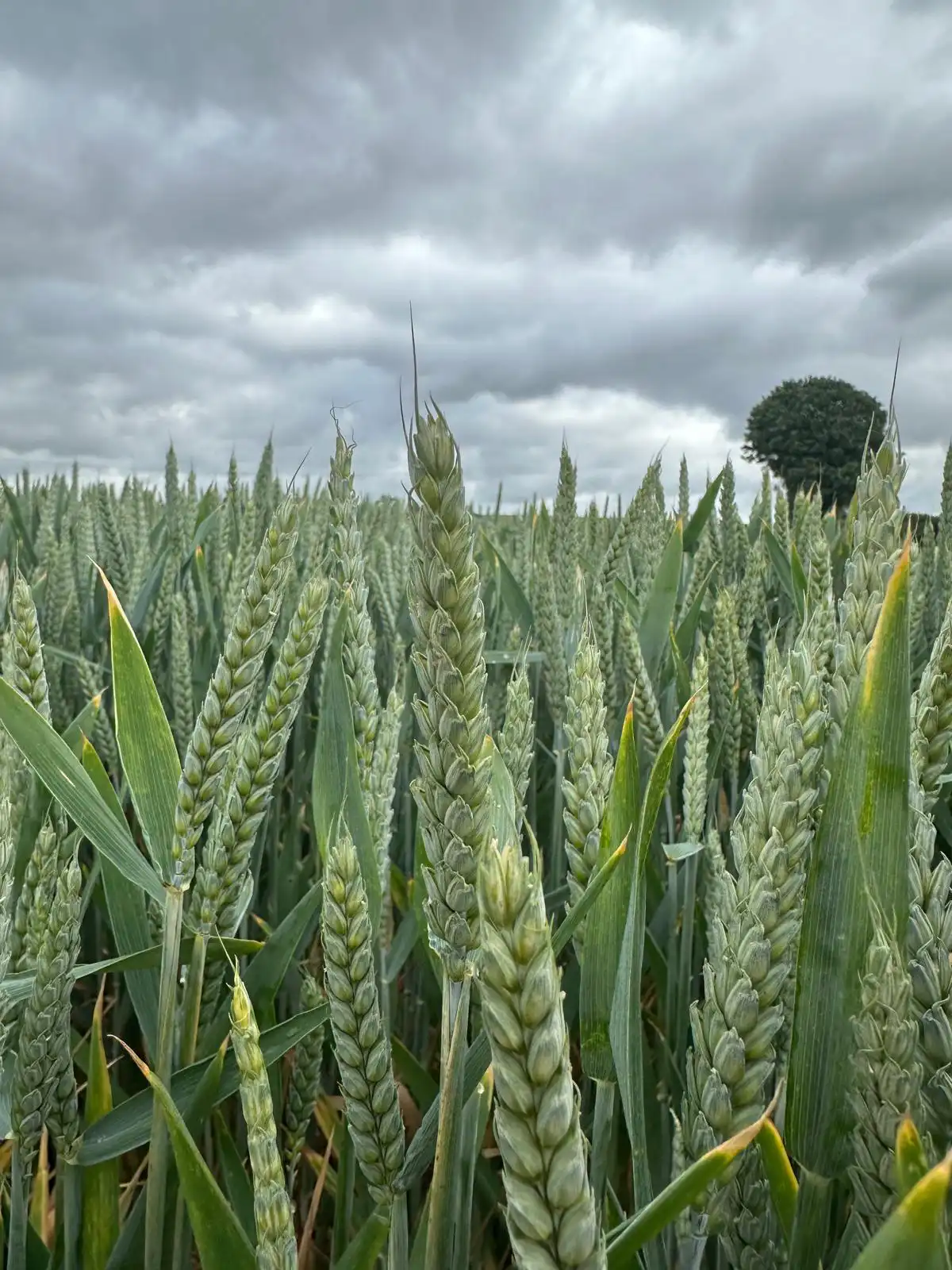
A wheat crop with a full, even canopy at flag leaf has more capacity to support both yield and grain fill. That canopy is built through the early and mid-season nitrogen programme.
Protein outcomes are linked to how well that stage went, because it shapes biomass, grain number, and the crop’s overall nitrogen status heading into grain fill.
If leaf layers were lost early, tillers were shed, or disease pressure took hold in thin crops, protein outcomes are harder to achieve. In those situations, even a well-timed late nitrogen application may struggle to lift protein to contract levels.
The crop still needs the canopy, root system, moisture, and nutrient balance to make use of what is applied.
Nitrogen Timing Through The Season And Its Effect On Protein
Protein outcomes depend not just on how much nitrogen was applied, but when. Early spring splits support tillering and canopy development. Mid-season nitrogen supports canopy retention, grain number, and yield-building.
Late applications are more directly associated with grain protein, but they work on the foundation laid earlier in the programme.
If the crop ran short of nitrogen mid-season, more of the applied nitrogen may have been used for building and maintaining biomass rather than supporting grain protein later.
Protein outcomes often reflect that, with crops delivering reasonable yield but missing the protein specification. When nitrogen has been supplied in line with crop demand through each stage, protein outcomes tend to be easier to achieve.
Sulphur Status And Its Influence On Protein Outcomes
Sulphur plays an important role in how effectively crops use nitrogen. Protein outcomes can be weaker where sulphur is limiting, even when nitrogen has been applied at a sensible rate.
Low sulphur can restrict nitrogen utilisation and affect grain quality, particularly on soils at higher risk of sulphur deficiency.
Using UAN plus sulphur grades through the programme supports more reliable protein outcomes by supplying both nutrients together. Nitrogen and sulphur are delivered in the same application, so the crop receives a balanced supply rather than relying on soil reserves alone.
When looking back at harvest results, blocks that received balanced nitrogen and sulphur may show more consistent protein outcomes for a given nitrogen total.
Mid-Season Decisions That Support Protein
Mid-season, growers and agronomists make several practical decisions that influence protein outcomes:
- Whether to hold or adjust planned nitrogen totals based on crop potential
- How to space splits around key growth stages
- Whether to use nitrogen plus sulphur combinations or straight nitrogen
- How to respond to dry conditions, crop stress, or changing yield expectations
These decisions may have been made months before harvest, but they shape the crop’s ability to respond to any final protein-focused application.
Where mid-season nutrition supported canopy health and balanced nutrient supply, protein outcomes are more likely to reflect the programme that was planned.
The Role Of Liquid Fertiliser In Protein-Focused Programmes
Liquid fertiliser supports protein outcomes in two main ways.
First, it can deliver nitrogen and nitrogen plus sulphur grades evenly across the boom width, helping keep crop development uniform. Even crops are easier to manage for protein because they move through growth stages together and respond more predictably to later applications.
Second, liquid nitrogen can offer practical timing advantages. In busy seasons, the ability to apply through the sprayer can help growers hit limited application windows.
When mid-season nutrition has set the crop up well, being able to deliver a late application at the right time can make a useful difference to protein outcomes.
Reading Protein Outcomes At Harvest
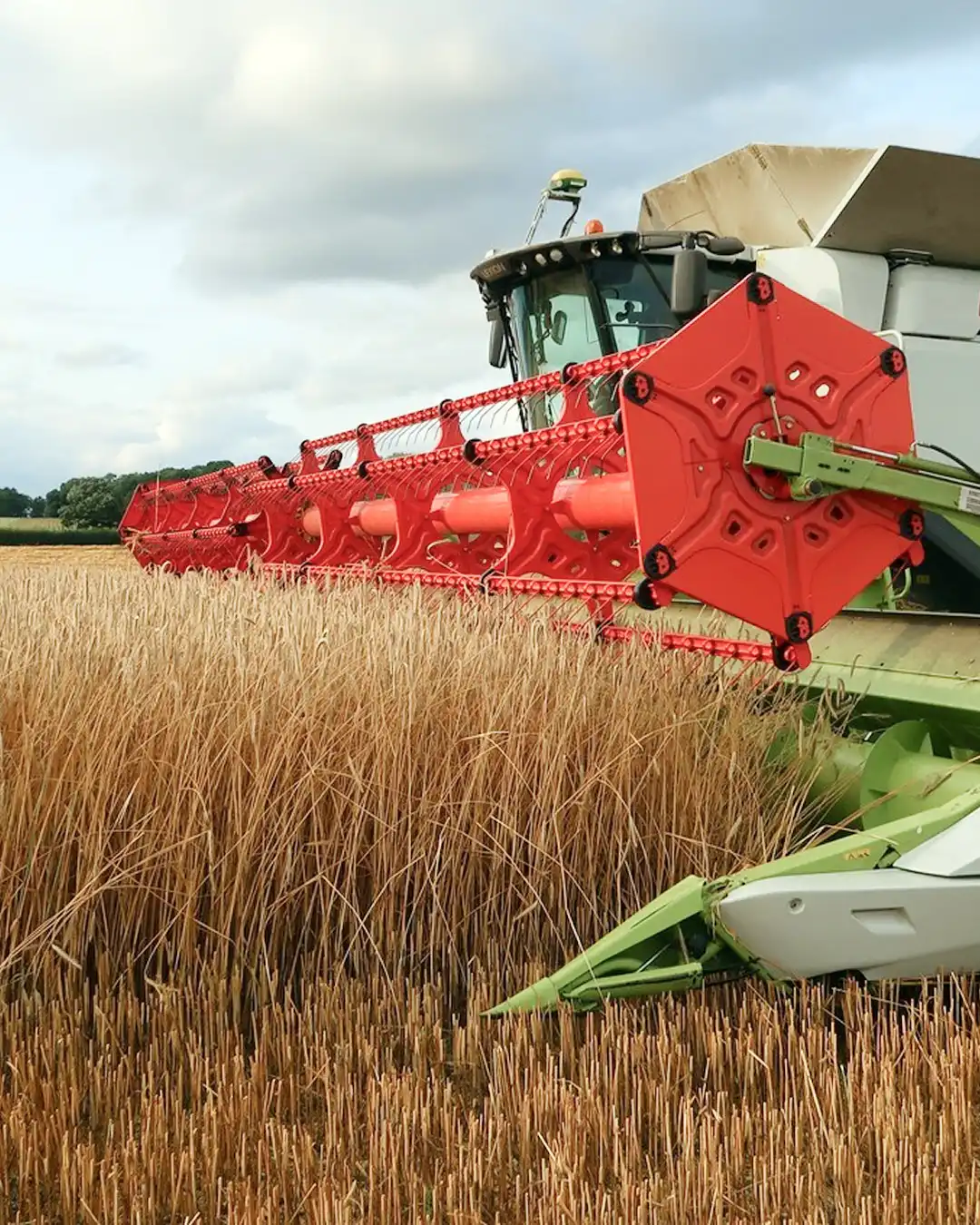
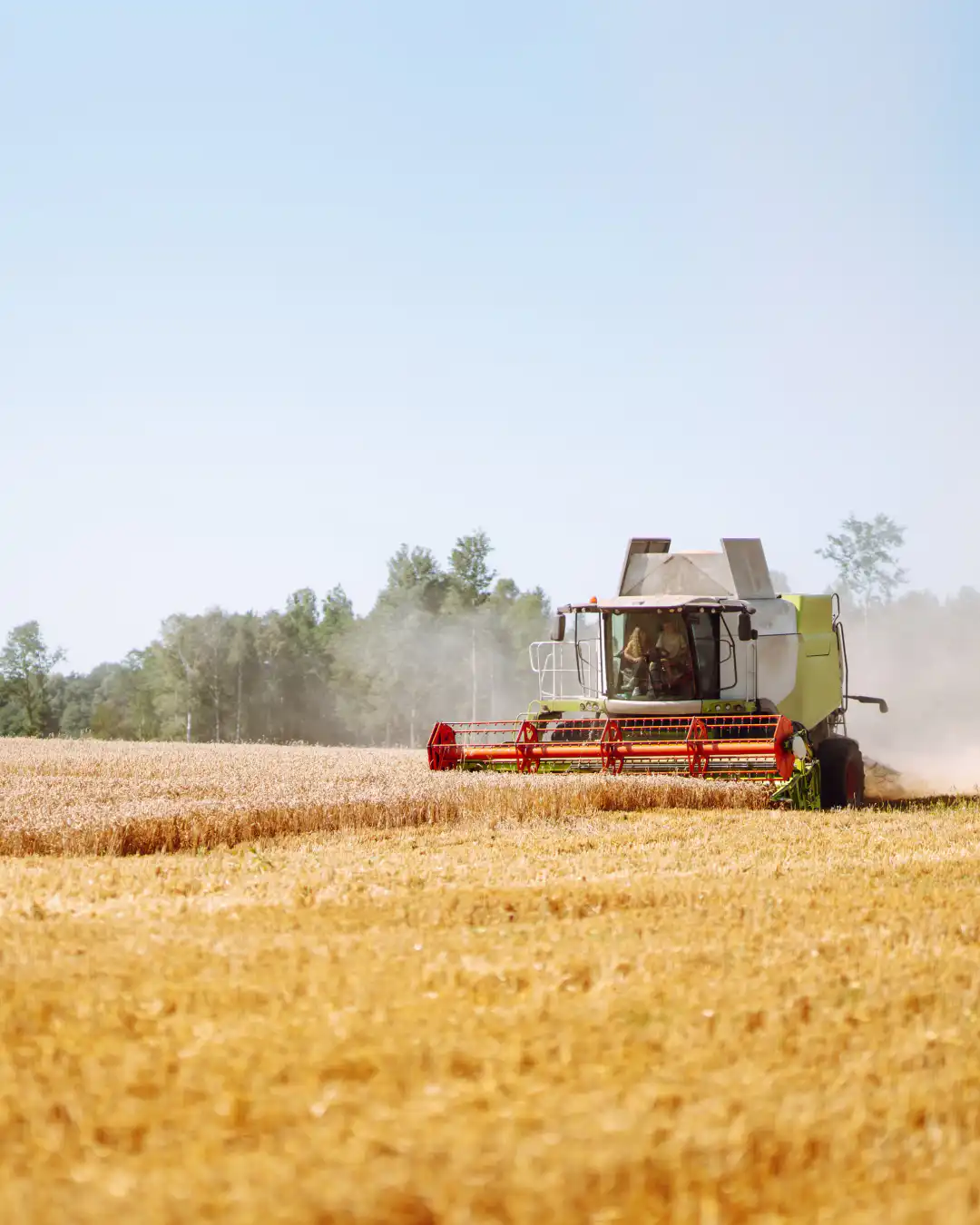
At harvest, protein outcomes are visible in sample results, contract performance, and field-to-field comparisons.
Where some fields regularly hit protein with similar or lower nitrogen totals, it is worth looking at what was different about their nutrition programme. That might include better nitrogen and sulphur balance, more accurate timing, stronger canopy health, or more even nutrient delivery.
On fields that missed protein, consider how the crop looked at flag leaf, whether sulphur was supplied consistently, and how weather interacted with the timing of key splits.
This review helps link protein outcomes back to the decisions that were in your control, rather than treating them as purely down to the season.
Using This Season’s Protein Outcomes To Plan The Next
The goal of reviewing protein outcomes is to improve the next programme, not just explain the last one.
If certain fields consistently struggle on protein, they may need a different nitrogen and sulphur strategy, or a stronger focus on canopy health through the middle of the season.
Where liquid fertiliser has helped deliver even crops and reliable protein outcomes, that can inform decisions about whether to extend its use.
Simple steps include recording which fields met contract protein, which fell short, and what nitrogen and sulphur strategy each received.
Matching that with observations from mid-season and harvest gives you a clearer view of how nutrition decisions and protein outcomes are connected.
Protein Outcomes As Part Of A Broader Discussion With Nitrasol
Protein outcomes sit alongside yield, yield consistency, and practical use of the fertiliser system.
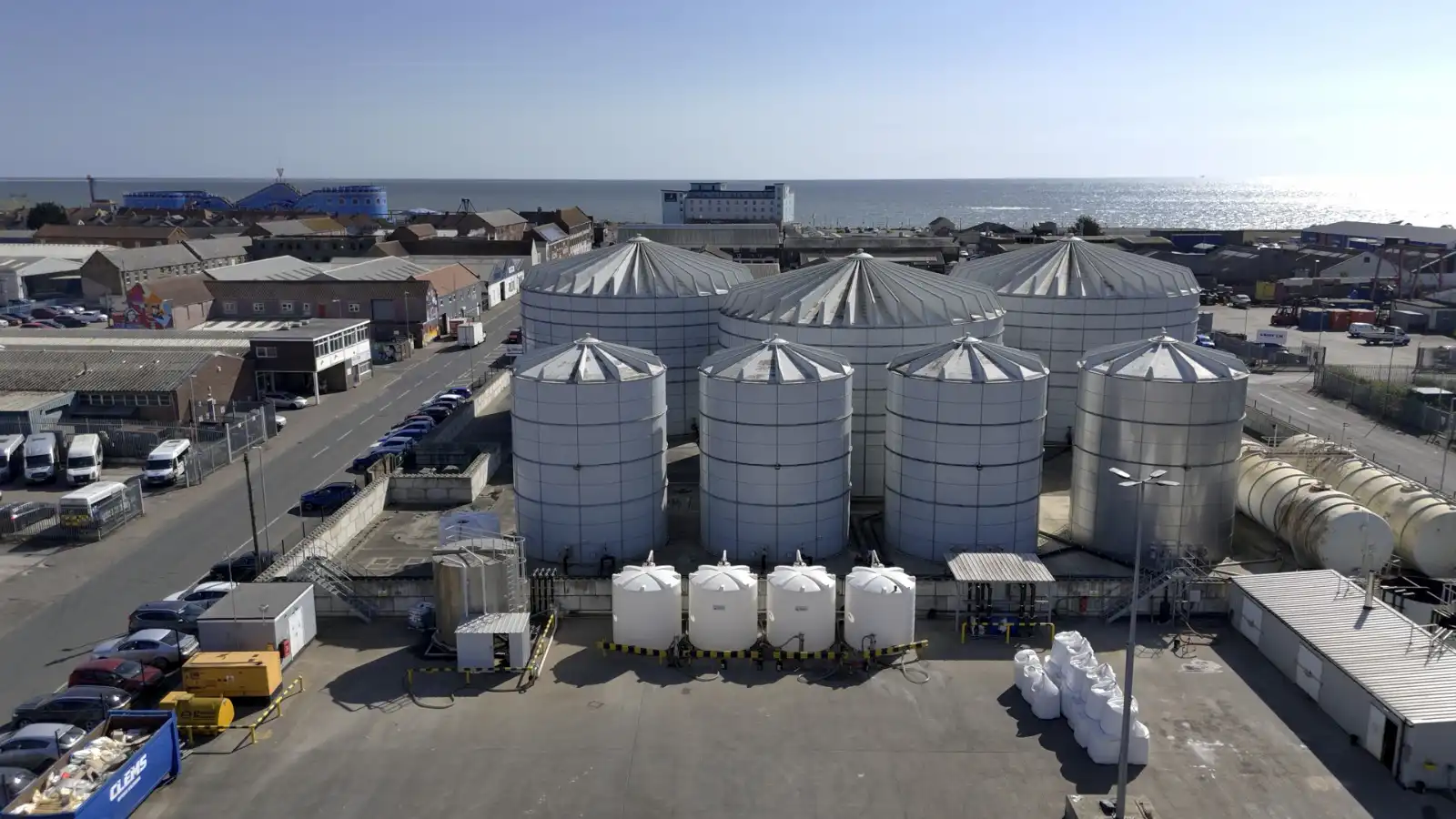
Nitrasol’s clear liquid fertilisers and UAN plus sulphur grades are designed to support these outcomes by providing even nutrient delivery, balanced nutrition, and practical timing options through the sprayer.
When you review this year’s protein outcomes, they become one part of the wider discussion about how your current programme is performing and what could be refined for next season.
Mid-season nutrition decisions will always be made under uncertainty, but by linking them to the results you see at harvest, those decisions can become more confident over time.