Why Yield Consistency Matters As Much As Top Yield
Yield consistency is often as important as headline yield. Two fields that average the same yield can tell very different stories once you look at variation across tramlines, headlands, and soil types.
Large swings within a field make planning harder, increase risk, and can hide problems with application, uptake, establishment, or soil conditions.
Yield consistency helps support more predictable output from season to season. It also gives growers more confidence that fertiliser spend is working in a similar way across the farm, rather than overfeeding some areas and underfeeding others.
Even nutrient delivery is a key part of that picture, although it should always be considered alongside soil type, drainage, drilling date, variety, disease pressure, and weather.
How Uneven Nutrient Delivery Can Show Up At Harvest
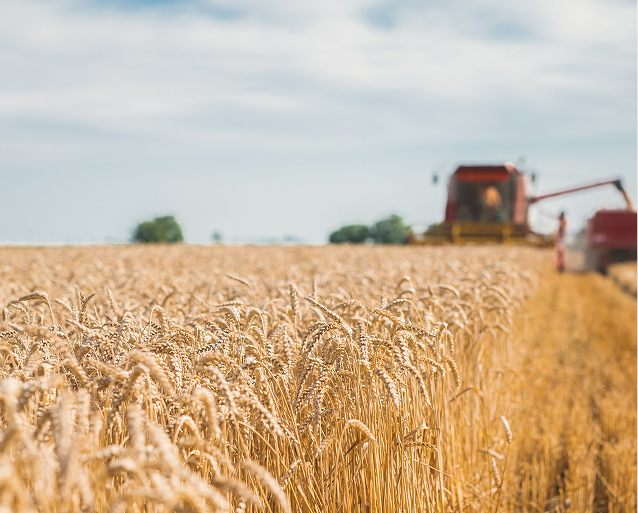
By harvest, uneven nutrient delivery can sometimes be visible. Bands of taller or thinner crop, patches of lighter heads, or recurring low-yield strips in maps may link back to how nutrients were applied earlier in the season.
Where spreader patterns have overlapped or left gaps, yield consistency can suffer. However, harvest patterns should be treated as clues rather than proof. Soil variation, compaction, drainage, pest pressure, and establishment issues can create similar effects.
On rolling or irregular fields, achieving even coverage with granular systems can be challenging. Variability in bout matching, spread pattern, product quality, wind, or machine setup can all contribute.
The result may be that some parts of the field receive more than the planned rate and others less, which can become clearer once the crop is harvested and mapped.
Even Nutrient Delivery And Canopy Development
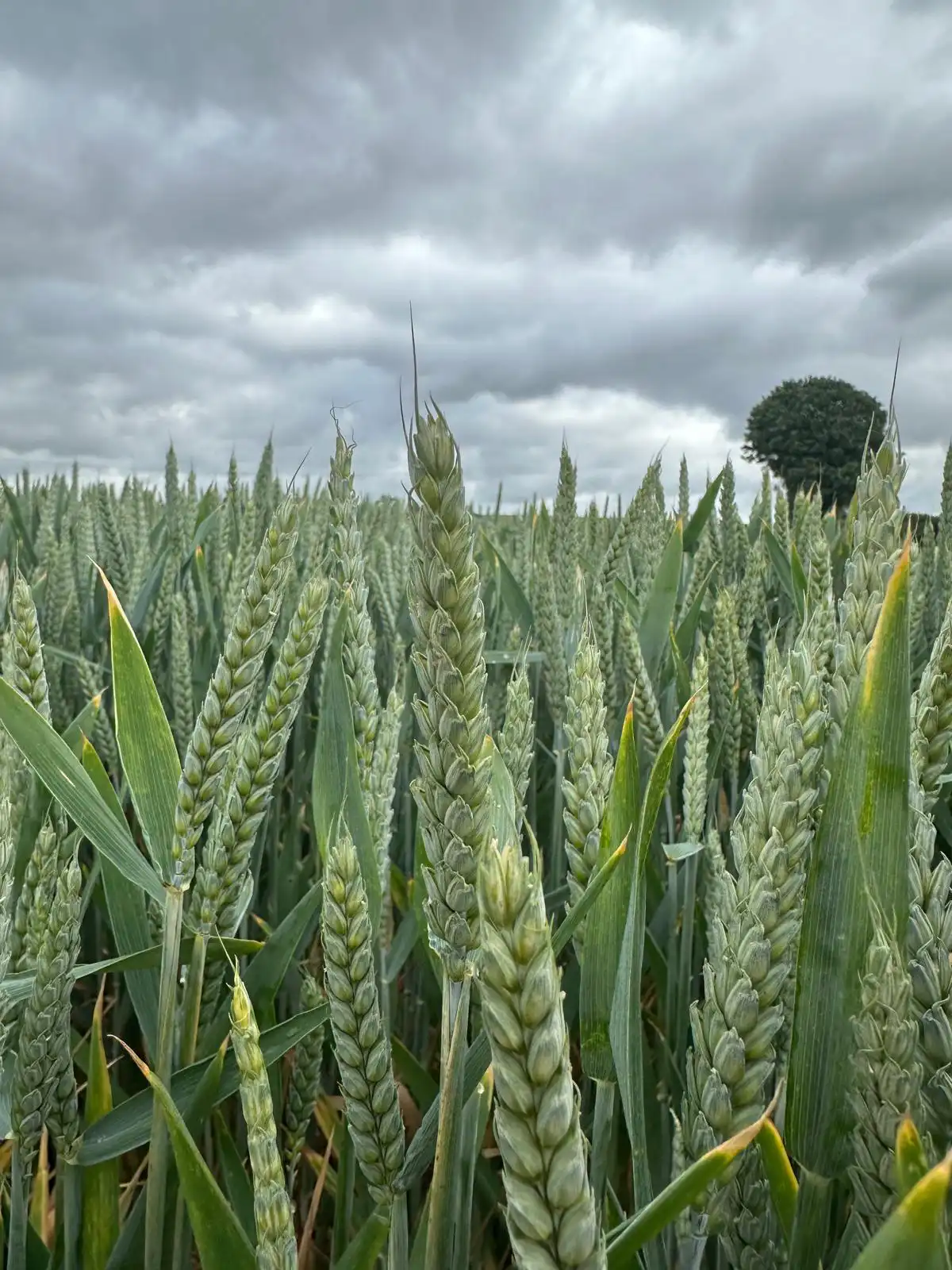
Even nutrient delivery helps build a more uniform canopy. When each part of the field receives a consistent nutrient rate, tillering, leaf area, and crop development are more likely to be even.
That supports yield consistency because crops intercept light in a more uniform way and progress through growth stages together.
Where nutrient delivery has been uneven, canopy differences can become obvious. Heavier-fed areas may be softer or at higher lodging risk, while underfed bands can lag behind, with fewer tillers and smaller heads.
Yield consistency is affected because different parts of the field are effectively growing under different nutrition conditions.
Liquid Fertiliser And Even Nutrient Delivery
Liquid fertiliser is designed to support yield consistency by delivering the planned nutrient rate evenly across the boom width. When the sprayer is correctly calibrated and operated, each nozzle applies the same solution concentration, helping each part of the field receive the intended rate.
This can reduce variability associated with spreader pattern changes, bout matching, or challenging field shapes.
Because application is handled through the sprayer, even nutrient delivery can be easier to manage across different field shapes and sizes. Headlands, short work, and narrow bouts can be covered without the same reliance on spinner throw.
For growers reviewing yield consistency in their harvest data, this evenness can be a practical advantage.
Yield Consistency Across Soil Types And Management Zones
Most farms have a mix of soil types within and between fields. Even nutrient delivery helps support yield consistency across this variation by making sure differences in performance reflect soil and weather as much as possible, rather than application variability.
When nutrients are delivered evenly, it is easier to judge whether lower-yield patches are due to inherent soil limits or other management factors.
Liquid fertiliser supports this by applying a consistent nutrient solution through the boom. Where variable rate is used, the sprayer can adjust rates by zone, while delivery within each zone remains controlled by nozzle output, calibration, and operating conditions.
That makes any remaining variation in yield consistency more informative, because it is less likely to be caused by the fertiliser spread pattern itself.
Nitrogen Use Efficiency And Yield Stability
Yield consistency and nitrogen use efficiency are closely linked. Where some areas receive more nitrogen than they can use and others receive less than they need, overall efficiency can fall.
Overfed strips may be more prone to lodging or disease, while underfed patches may fail to reach their potential. The average yield might look acceptable, but the underlying efficiency may be weaker.
Even nutrient delivery supports better nitrogen use efficiency by matching the planned rate more closely to what each part of the field actually receives.
With clear liquid fertiliser, the product concentration is consistent across the boom, and the intended rate can be delivered accurately when the sprayer is set up and operated correctly. That underpins yield consistency and more efficient nitrogen use.
Balanced Nitrogen And Sulphur And Their Effect On Consistency
Balanced nitrogen and sulphur are also part of the yield consistency story. Where sulphur is limiting, crops may not use applied nitrogen as effectively, even if nitrogen has been applied uniformly.
Sulphur risk can vary by soil type, rainfall, organic matter, and leaching potential, which means some parts of the farm may respond differently.
UAN plus sulphur grades help by delivering nitrogen and sulphur together in each application. Each treated area receives the same combination, supporting more even growth and yield consistency across soil types.
Where harvest maps show fewer unexplained low spots after switching to balanced nitrogen and sulphur liquids, that can be one useful sign that nutrient balance and delivery have improved.
What To Look For In Your Own Fields
When reviewing yield consistency, there are a few practical checks that help link results back to nutrient delivery:
- Compare yield maps with tramline patterns and application maps
- Note recurring bands or patches that match spread direction
- Look for differences between fields fed with different systems or products
- Check whether low-yield areas correspond to known soil, drainage, or establishment issues
- Compare fields with similar soil type, drilling date, and variety
If variability lines up with how nutrients were applied rather than with known soil features, even nutrient delivery is worth a closer look.
Where Nitrasol Fits Into The Yield Consistency Picture
Nitrasol focuses on even nutrient delivery, balanced nitrogen and sulphur, and practical use through standard farm sprayers.
Straight liquid fertiliser and UAN plus sulphur grades support yield consistency by making it easier to apply the planned rate evenly across each field.
For growers reviewing yield maps and harvest results, the role of even nutrient delivery is a useful point of discussion for the next season.
Yield consistency will always be influenced by weather and soil, but reducing avoidable application variability is one practical step growers can take. Liquid fertiliser is designed to help with exactly that.