Nitrogen Efficiency At Harvest: Why It Matters
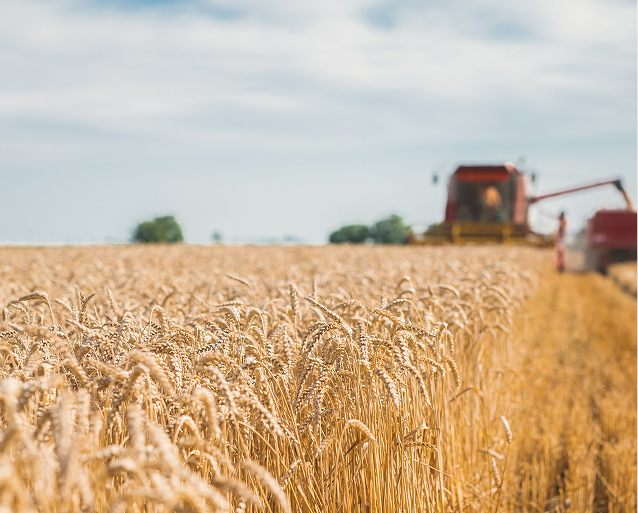
Nitrogen efficiency at harvest is where the season’s nutrition decisions start to show their results. The yield in the trailer, the way crops have stood, and the consistency between fields can all help indicate how well applied nitrogen was taken up and used.
For many farms, harvest is the first point where the whole nutrition programme can be reviewed in one go, rather than judged field by field through the growing season.
Nitrogen efficiency at harvest is not only about final yield. It can also show in grain protein, specific weight, screenings, crop evenness, and how crops have performed on different soil types. Wider quality measures, such as Hagberg in wheat or oil content in oilseed rape, can add useful context, but they should be interpreted alongside variety, weather, harvest timing, and market requirements.
Looking at these results together helps you decide whether the current fertiliser approach is doing the job, and what might need refining before the next season.
Yield Patterns And Nitrogen Efficiency At Harvest
Yield maps and weighbridge tickets are a practical starting point for reviewing nitrogen efficiency at harvest. Where fields with similar soils, drilling dates, and crop potential deliver very different yields, it is worth asking how much of that gap might relate to nutrition.
In some cases, weather, drainage, compaction, disease, or drilling conditions will be the main driver. In others, nitrogen delivery, timing, sulphur balance, or uptake conditions may have played a part.
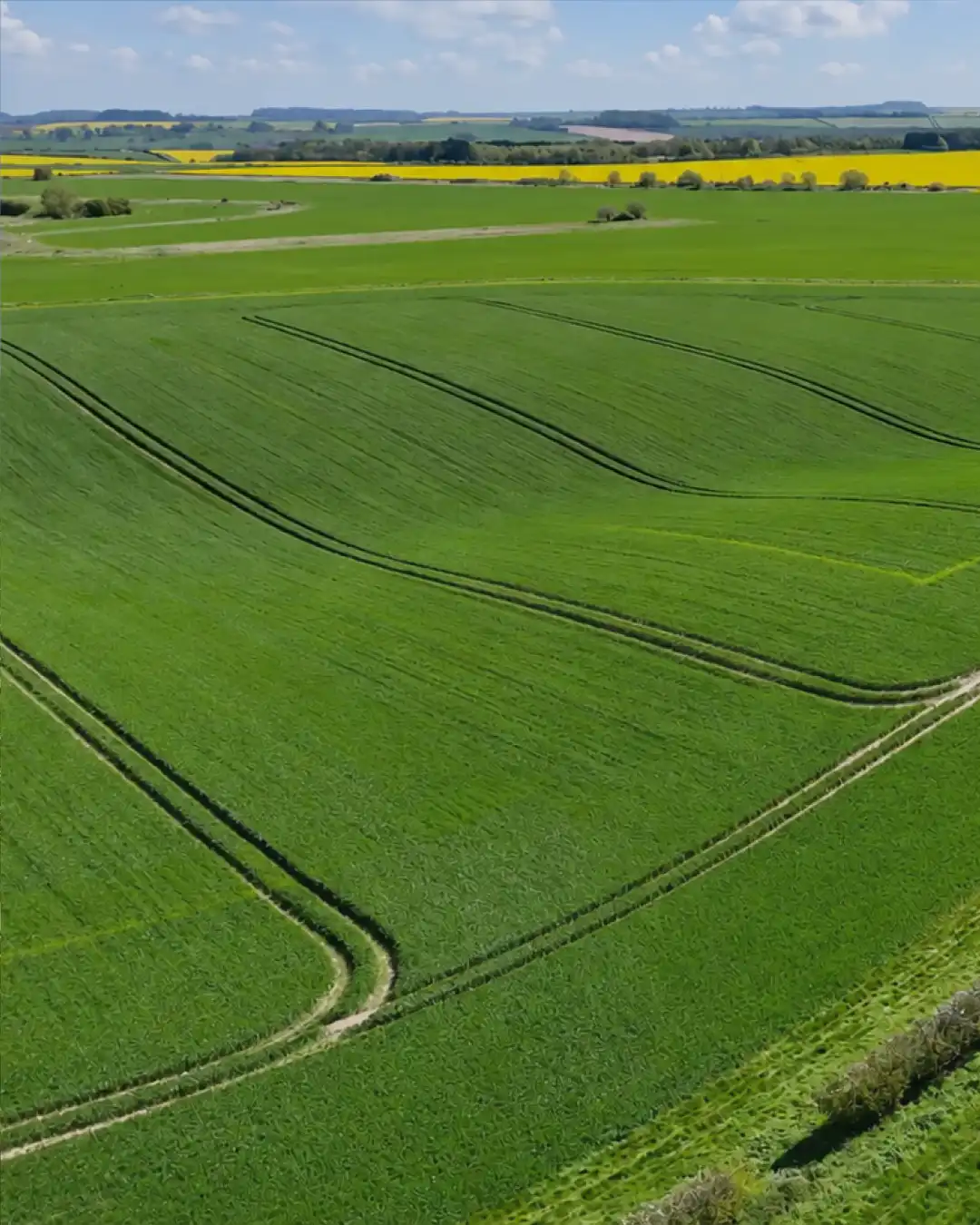
Within fields, nitrogen efficiency at harvest can sometimes be reflected in how yield varies across tramlines, headlands, and soil zones. Bands of lower yield following a particular pass, or recurring low spots that align with application patterns, may suggest variability earlier in the season.
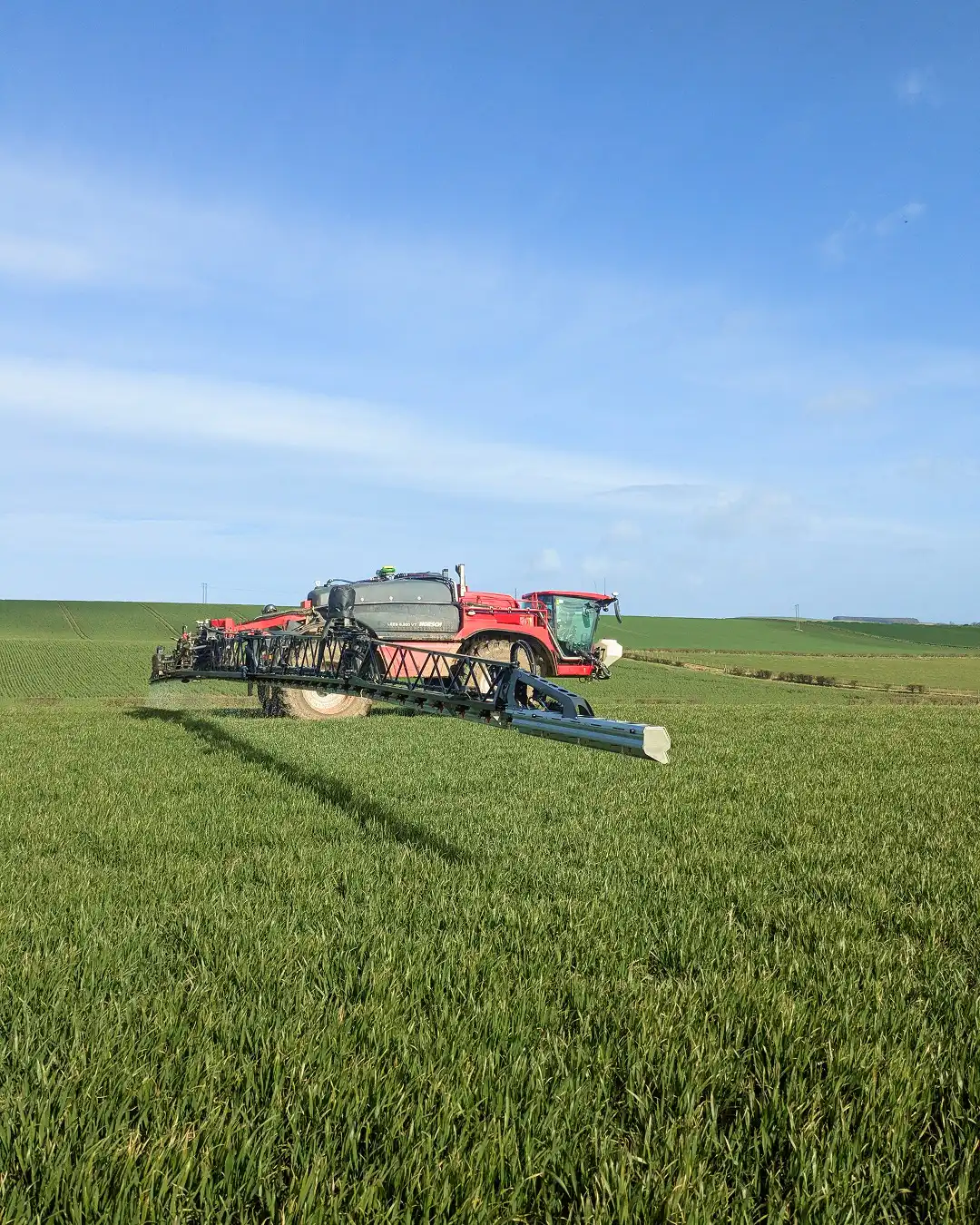
Liquid fertiliser, when correctly set up and applied through a calibrated sprayer, is designed to support even nutrient delivery across the boom. That can help reduce one source of application variability, so yield differences are more likely to reflect agronomy, soil and weather rather than fertiliser spread pattern.
Crop Uniformity And Standing Power
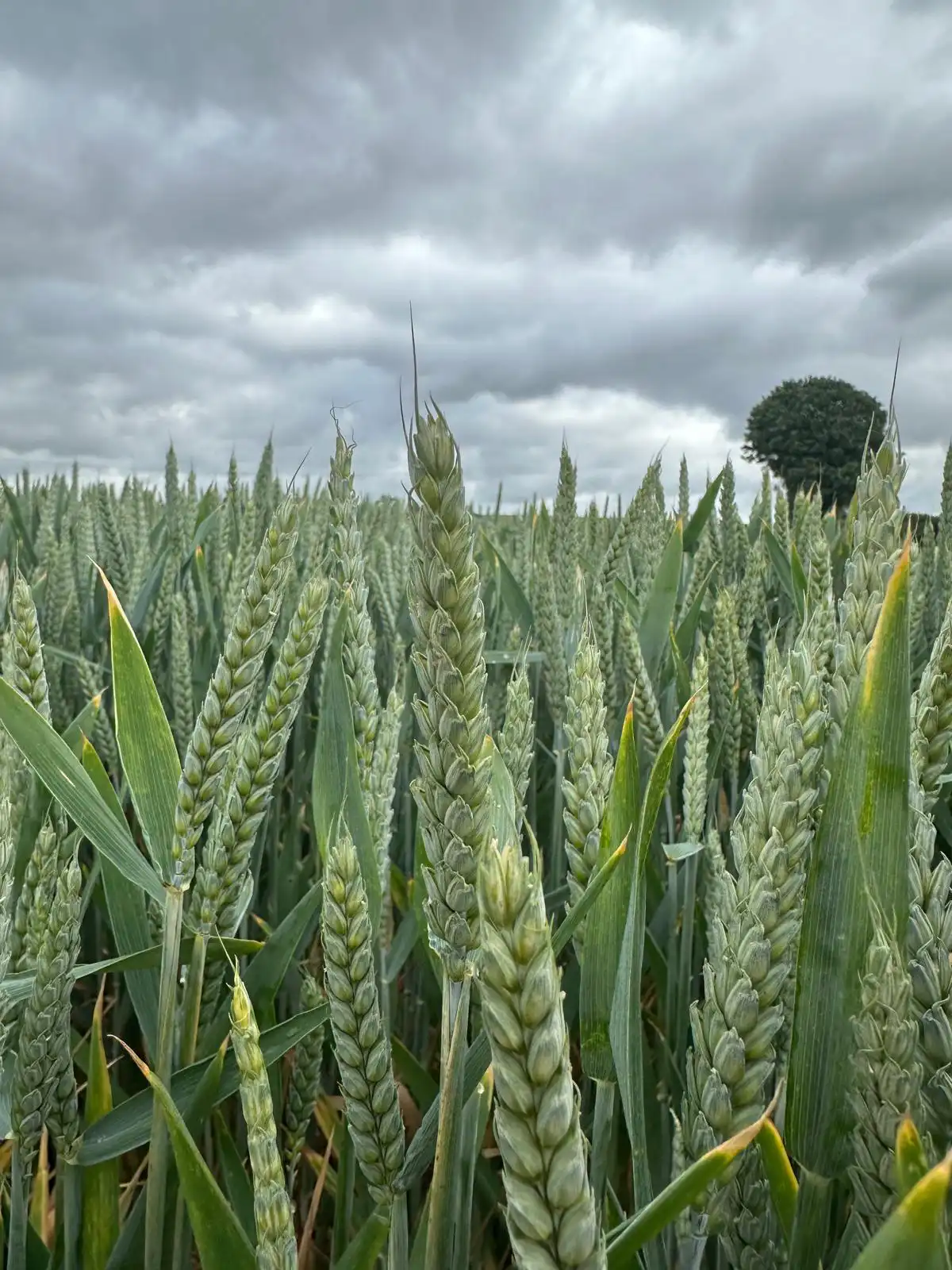
How even crops look at harvest can also provide clues about nitrogen efficiency. Uniform crop height, head size, and maturity can suggest that nutrients were delivered and taken up consistently.
Where patches are thin, heads are smaller, or crop height varies in bands, it may point to uneven nutrient supply, although other factors such as soil variation, pest pressure, disease, drainage, and establishment should also be considered.
Standing power tells another part of the story. Where crops with similar lodging risk have behaved differently between fields, nitrogen rate, timing, variety, plant growth regulator strategy, and weather may all have contributed.
Crops that have held up well can reflect a programme where nitrogen was used effectively, without excessive nitrogen driving soft, lush growth. However, standing ability should always be reviewed alongside variety, seed rate, soil fertility, growth regulation and seasonal conditions.
Grain Quality And Nitrogen Efficiency At Harvest
Grain quality can offer another angle on nitrogen efficiency at harvest. In wheat, protein and specific weight are particularly useful when reviewing how well nitrogen and sulphur supported both yield and quality.
In milling wheat, nitrogen efficiency at harvest is seen where a programme has supported yield while also helping the crop meet protein requirements. If protein is consistently low despite reasonable total nitrogen, the crop may not have been able to use nitrogen as intended, or the timing, sulphur supply, soil moisture, or variety may have limited the response.
Differences in grain quality between fields with similar nitrogen rates can highlight where sulphur, timing, soil type, or uptake conditions affected performance. A field that achieved protein and specific weight targets with the same or lower total nitrogen suggests the programme in that situation helped more of the nutrient reach the crop in a usable form.
Field-To-Field Consistency With Liquid Fertiliser
One of the places nitrogen efficiency at harvest can show up is in field-to-field consistency. Where some fields repeatedly underperform without a clear explanation in soil, drainage, establishment, or weather, it is reasonable to look at how nitrogen was delivered.
If spreading patterns, overlaps, misses, or timing issues have been a factor, that may be reflected in long-term yield maps and harvest observations.
Liquid fertiliser is designed to support nitrogen efficiency by delivering a consistent solution through the sprayer boom. When the sprayer is correctly calibrated and operated, each nozzle applies the same product concentration, helping to reduce variability that can occur with less even fertiliser distribution.
When growers compare crops fed with liquid fertiliser, this may be reflected in more even stands, fewer unexplained low-yield zones, and more consistent field performance.
Nitrogen Efficiency At Harvest And Nitrogen Plus Sulphur Balance
Balanced nutrition is a key part of nitrogen efficiency at harvest. Where sulphur has been limiting, crops can struggle to use nitrogen effectively, even if the total nitrogen rate looks correct on paper.
That can show up in weaker biomass, lower yield potential, or poorer grain quality than expected for the nitrogen applied.
Using UAN plus sulphur grades through the programme can support nitrogen efficiency by supplying both nutrients together. Nitrogen and sulphur are delivered in the same application, helping keep nutrient supply aligned through key growth stages.
When reviewing harvest results, fields that received balanced nitrogen and sulphur may show more reliable yield and quality for the same total nitrogen, particularly where sulphur deficiency risk is higher.
Factoring Weather And Soil Into Your Assessment
Nitrogen efficiency at harvest is always shaped by the season’s weather and soil conditions. In a dry year, limited soil moisture can restrict nitrogen movement into the root zone, even where products and timings were sensible. In a wet year, leaching or denitrification may reduce the amount of nitrogen available later in the season.
When reviewing nitrogen efficiency at harvest, it helps to separate what was in your control from what was not. If a field underperformed but also suffered from standing water, drought, poor establishment, or late drilling, that context matters.
Even then, it is still useful to ask whether a more consistent application pattern, better nitrogen and sulphur balance, or different product choice could help reduce vulnerability next time.
Using Harvest Data To Plan Next Season
The aim of looking at nitrogen efficiency at harvest is to inform better decisions for the next programme. That might mean adjusting total nitrogen on certain soil types, changing how nitrogen and sulphur are combined, or considering whether a liquid system could reduce application variability.
It might also confirm that the current approach is broadly right, but could be refined on a small number of fields.
Simple steps include marking fields where yield or quality underperformed against expectation, noting any visual patterns at harvest, and saving yield maps and sample results for discussion later in the year.
When you sit down with your agronomist or advisor in autumn, having a clear view of nitrogen efficiency at harvest gives those conversations a stronger starting point.
Where Nitrasol Fits Into The Nitrogen Efficiency Conversation
For growers already using liquid fertiliser, nitrogen efficiency at harvest is one way to review how the system is performing. Even crop development, consistent field-to-field performance, and reliable grain quality can all support the case that clear liquid nitrogen and UAN plus sulphur are doing their job.
For those considering a change, harvest is the moment to look across the hedge and ask how different systems have performed in the same season.
Nitrogen efficiency at harvest is not about chasing perfection in a difficult year. It is about seeing where your nutrition programme helped crops cope, where it could be improved, and where a more consistent, balanced approach might move the dial for the next harvest.