Why Reviewing Your Nutrition Strategy Starts At Harvest
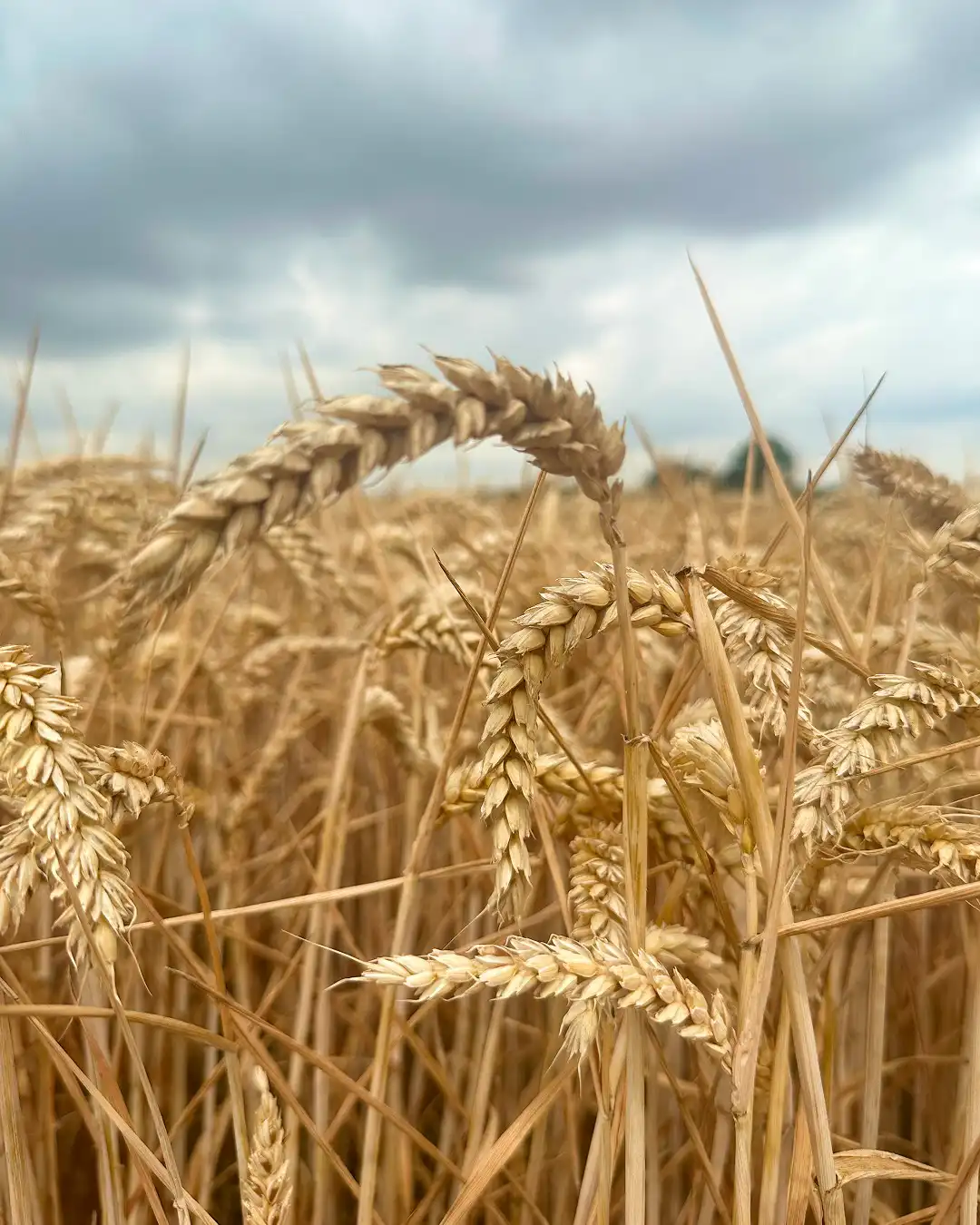
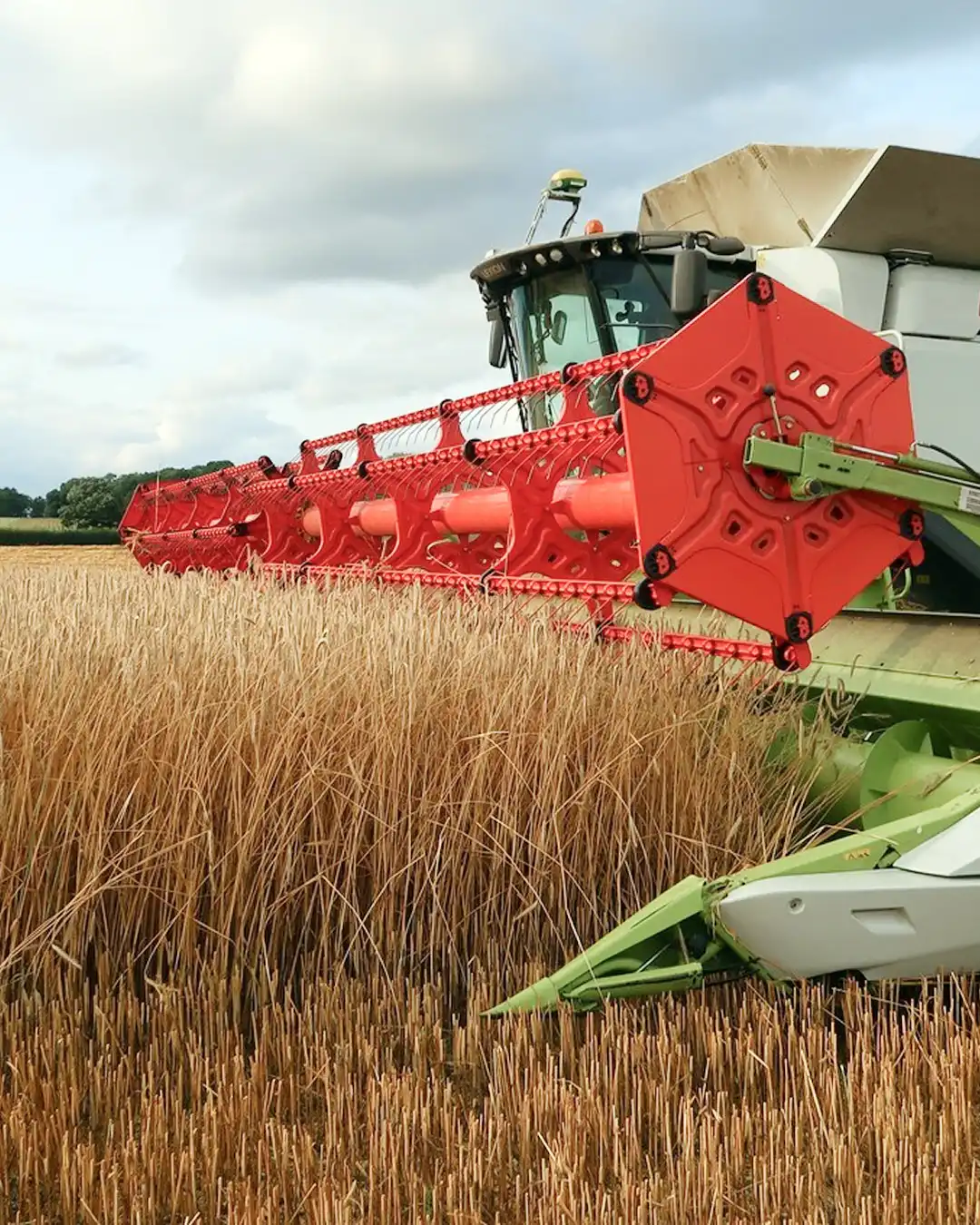
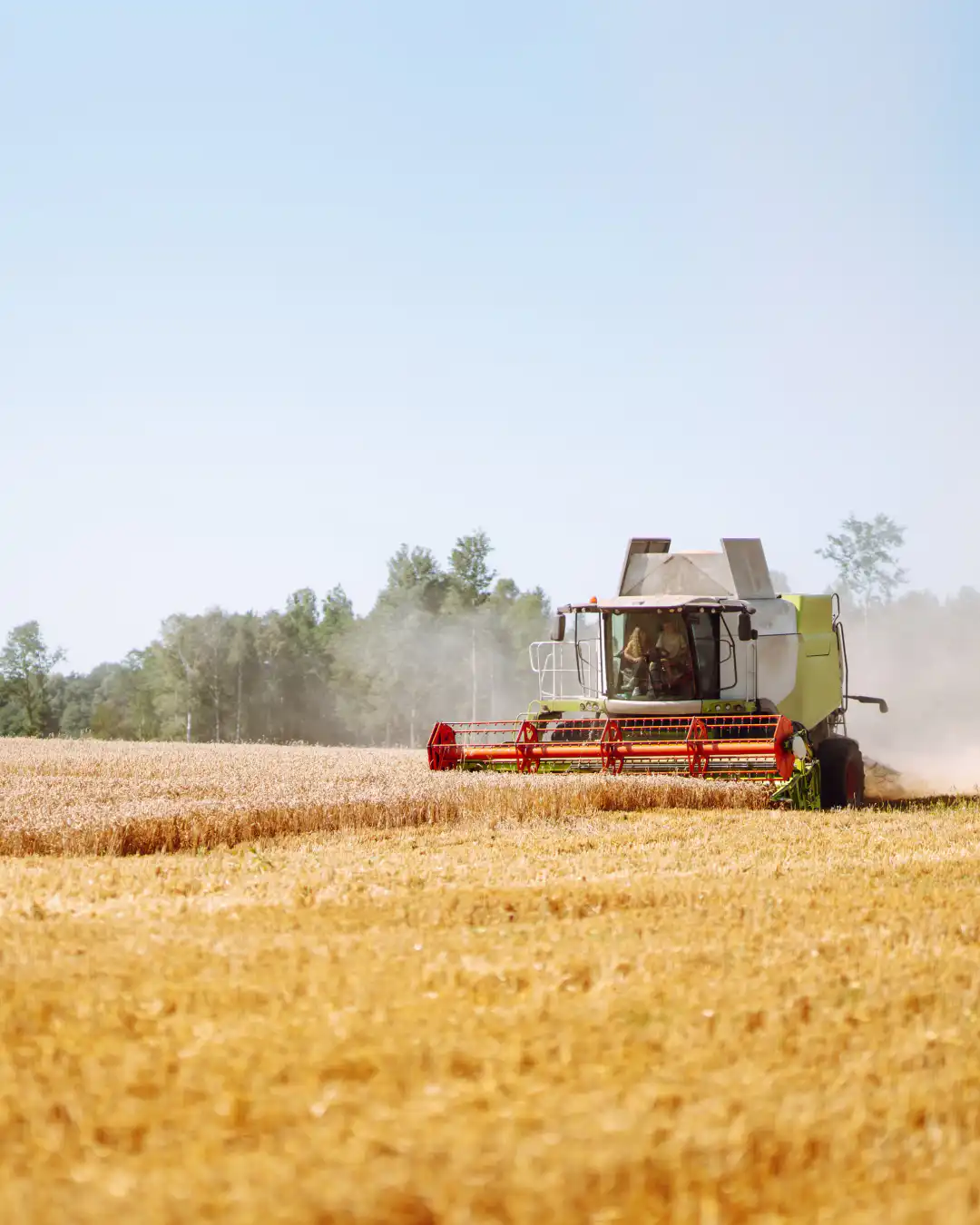
Reviewing your nutrition strategy before autumn planning begins with what you see at harvest.
Yield, grain quality, crop standing, and field-to-field consistency all help show how the season’s programme performed. Looking at those results now gives you a clearer picture to work from when you sit down to plan for 2027.
Reviewing your nutrition strategy at this stage does not mean changing anything mid-harvest. It means taking note of what worked, where crops struggled, and how different fields responded to the same approach.
That information is easier to capture while the season is fresh in your mind.
Using Yield And Field Consistency As A Starting Point
Yield is the most obvious place to start when reviewing your nutrition strategy. Compare fields with similar soils, drilling dates, varieties, and crop potential to see where performance diverged.
Where one field consistently outperforms another, ask whether nutrition, cultivation, establishment, drainage, or weather was the main driver.
Field consistency sits alongside average yield. If maps or observations show strong swings between tramlines, headlands, and soil zones, that may hint at application variability, mismatched rates, or uneven uptake.
Reviewing your nutrition strategy should include a check on how evenly nutrients were delivered, not just how much was applied in total.
What Grain Quality Says About Your Current Approach
Grain quality provides another view when reviewing your nutrition strategy.
In wheat, protein and specific weight can help show how well nitrogen and sulphur supported yield and quality. Wider market specifications, such as Hagberg, moisture, and admixture, also matter commercially, but they are influenced by factors beyond nutrition.
If yields are acceptable but protein is consistently low on milling wheat, the programme may need refining.
Look at how quality results vary between fields that received similar rates. Where some fields reliably meet contract while others fall short, reviewing your nutrition strategy means asking what was different in their nitrogen and sulphur balance, timing, soil type, or product choice.
Checking Nitrogen And Sulphur Balance Across The Farm
Balanced nitrogen and sulphur underpins both yield and quality. Reviewing your nutrition strategy should include a simple question: did all fields receive a sensible combination of nitrogen and sulphur, or were some relying more heavily on soil reserves?
Fields on lighter, chalky, sandy, or more leachable soils are often where sulphur shortage risk is higher.
Where UAN plus sulphur grades have been used, note how those fields performed compared with straight nitrogen. If they show more reliable yield and protein for similar nitrogen totals, that is a useful guide for next season.
Reviewing your nutrition strategy with this in mind can highlight where more balanced nutrition might support better results.
Considering How Evenly Nutrients Were Delivered
Even nutrient delivery is a practical part of reviewing your nutrition strategy.
Uneven spreading can create bands of higher and lower nutrient supply, even when average rates look right. If yield maps or harvest observations show repeated stripes or patches that match spread direction, application pattern is worth a closer look.
However, those patterns should be treated as evidence to investigate, not proof on their own. Soil variation, drainage, compaction, establishment, and disease can create similar effects.
Liquid fertiliser offers a different route, with nutrients applied through the sprayer boom. When correctly calibrated and operated, this can support more even delivery across the working width.
When reviewing your nutrition strategy, consider how fields treated with liquid compared with those on granular fertiliser, especially in terms of crop uniformity, yield consistency, and grain quality.
Factoring Weather And Soil Into Your Review
Every season is shaped by weather and soil conditions. Reviewing your nutrition strategy means separating what the programme controlled from what it did not.
Drought, waterlogging, late drilling, poor establishment, compaction, and disease all affect response to fertiliser. Underperformance in those situations may not point straight back to the product or rate.
Even so, noting how different parts of the farm coped under the same weather is valuable.
If some fields held up better in a dry spell, or responded more strongly after rain, reviewing your nutrition strategy should capture those differences. They can highlight where more consistent delivery, better nitrogen and sulphur balance, or different rates may help next time.
Capturing Insights Now For Autumn Conversations
A useful review does not need to be complex. Simple notes are often enough:
- Fields that overperformed or underperformed against expectation
- Where milling wheat met protein and where it did not
- Fields where crops looked particularly even or uneven
- Any clear links between performance and soil type, product choice, or system
- Areas where yield maps suggest recurring patterns or application issues
- Weather or soil constraints that affected fertiliser response
Reviewing your nutrition strategy with these points recorded gives you something concrete to bring into autumn meetings with agronomists, co-op advisors, or suppliers.
Where Liquid Fertiliser Fits Into That Review
If you are already using liquid fertiliser, reviewing your nutrition strategy should include how those fields behaved this season.
Look at crop uniformity, yield consistency, grain quality, and how practical application was through the busiest periods. If those fields performed reliably, that is a mark in favour of the current approach.
If you are not yet using liquids widely, harvest is a chance to compare performance with farms or blocks that are. Reviewing your nutrition strategy may include asking whether even nutrient delivery, balanced UAN plus sulphur grades, or protected options such as AdvaNShield could address any of the issues seen this year.
The point is not to make a snap decision during harvest, but to build the evidence for a better autumn planning conversation.
Turning Review Into A Plan For 2027
The point of reviewing your nutrition strategy before autumn planning is to arrive at the planning table with fewer guesses and more evidence.
That might lead to adjusting total nitrogen on certain soil types, expanding the use of UAN plus sulphur, trialling a liquid system on a block of land, or simply confirming that the current approach is broadly right.
By taking time now, during and just after harvest, reviewing your nutrition strategy becomes a practical, grounded exercise rather than a retrospective box-ticking task.
It helps connect what you saw in the crop this year with the decisions you will make for the next one, so every application has a clearer purpose when it goes on.