From 1st April each year, any urea‑based fertiliser must include a urease inhibitor. That rule covers liquid UAN as well as solid urea, so most standard spring nitrogen programmes for cereals and OSR cross the regulatory line at some point.
Protected nitrogen becomes relevant the moment an application is planned for after 1st April rather than because of a change in agronomy alone. At that point, using a product such as AdvaNShield‑treated liquid nitrogen or nitrogen + sulphur is about staying on the right side of Option 4 and Red Tractor as much as it is about chasing extra yield.
Where nitrogen protection earns its keep
April often brings warmer soils, active biology and dryer weather, which are exactly the conditions that push the potential for volatilisation higher. Trials show that AdvaNShield can cut volatilisation by around half and reduce nitrate leaching by close to a quarter, helping more of the applied nitrogen stay in the root zone.
For many growers, the value lies in getting a better return on the kilograms already being bought, rather than pushing total rates up. Where fertiliser is one of the biggest variable costs, lifting nitrogen use efficiency and protecting protein potential can be enough to justify protection on the main mid‑spring pass.
Ease of use
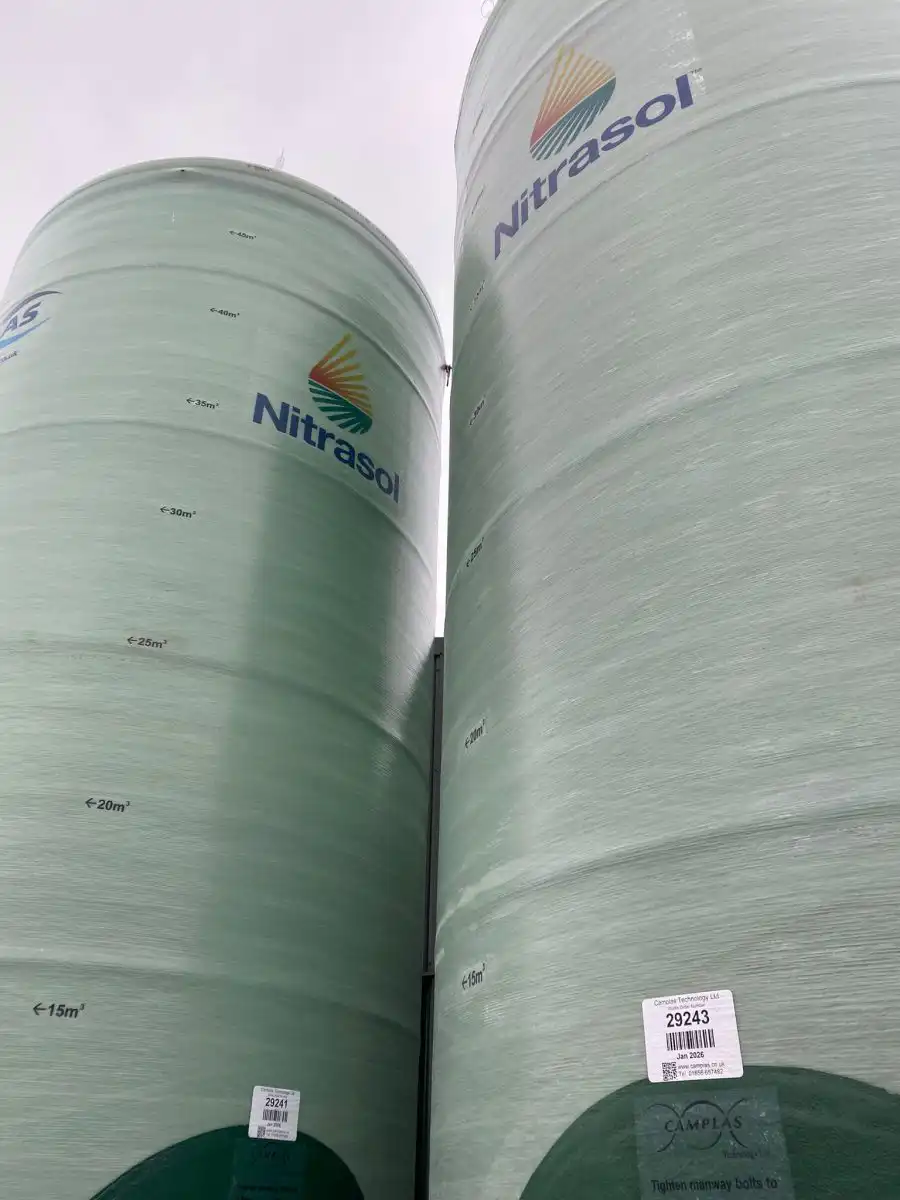
Switching to AdvaNShield‑protected grades as the conditions change and the risk of loss and non‑compliance rises is easy. Nitrasol’s product options allow growers to upgrade planned deliveries at dispatch, or add AdvaNShield NBPT on farm if a previously early application slips past 1st April. That keeps the extra spend focused on the passes where it genuinely adds value.
Managing risk when plans change
Spring rarely runs exactly to schedule, and delayed drilling, late T0/GS30 timings or wet ground can push nitrogen work further into April. In those seasons, protected nitrogen shifts from a marginal gain to a practical way to keep the planned rate on while meeting Option 4 rules without cutting applications back.
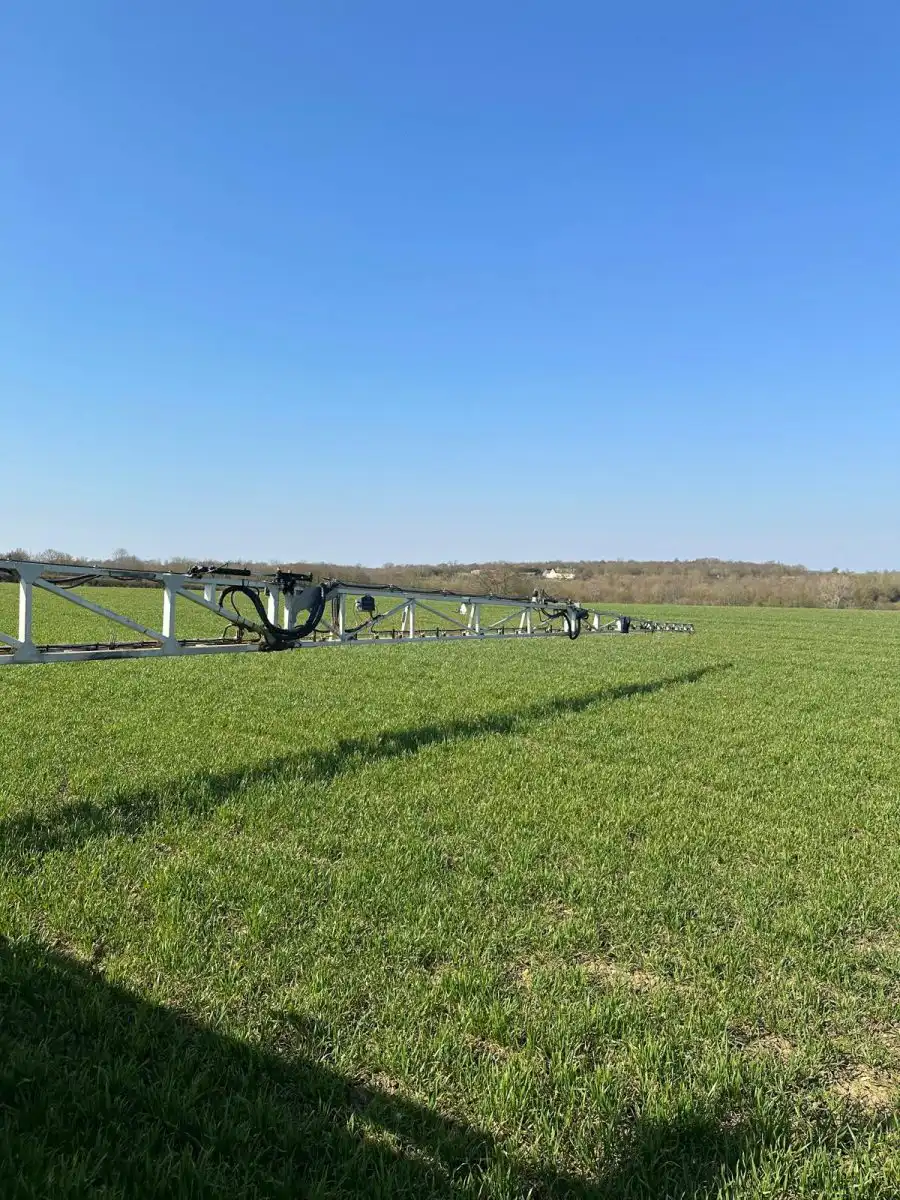
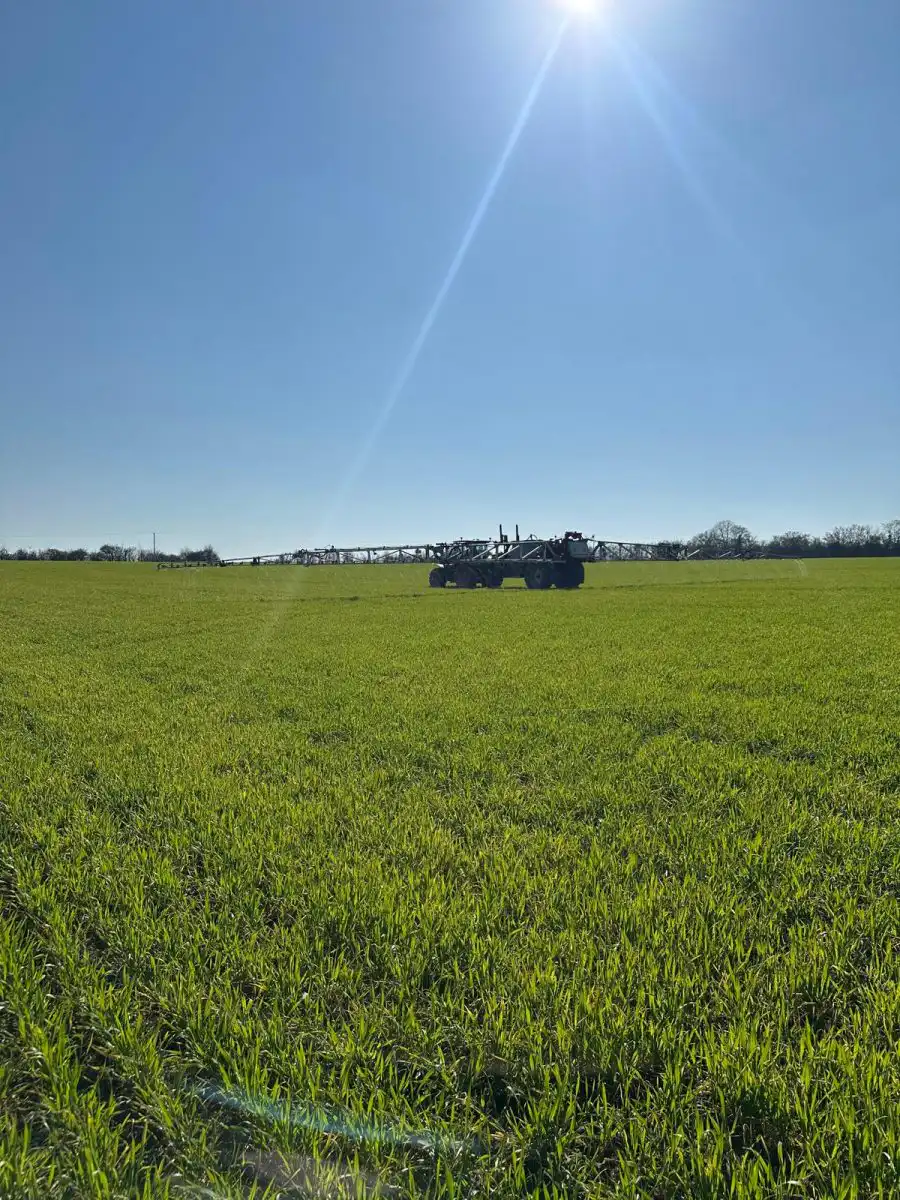
Because AdvaNShield does not change how liquid fertiliser handles or sprays, there is no need to adjust nozzles, boom height or field routines when switching in or out of protection. That makes it easier to view protection as a targeted risk‑management tool, triggered by timing and weather, rather than a wholesale change of system.
Thinking ahead to next season’s costs
Ordering protected and unprotected grades together in winter gives room to decide how much protection is actually used once the season unfolds. Tanks can be filled with standard products for early work, with a proportion of AdvaNShield‑treated nitrogen or containers of NBPT kept in reserve if April applications become unavoidable.
With fertiliser prices continually a significant line on the budget, the aim is to spend protection where regulation, weather and crop potential all point in the same direction. For many farms, that means protected nitrogen becomes most relevant in mid‑spring on key passes, as a way to protect both compliance and the value of every litre applied.
Protecting your nitrogen this season? Get in contact with us today to get started.